 Mea hoʻolako iVIGA Tap Factory

Hoʻopau ʻia ke kaulahao lako o ka lumi ʻauʻau a me ka lumi kuke ʻAmelika
Wahi a nā hōʻike media US, ke hoʻomau nei ka hoʻohaunaele i ke kaulahao hoʻolako i ka hopena koʻikoʻi i nā kumukūʻai waiwai, backlogs huahana, nā kumukūʻai ukana a me nā pōʻaiapuni o ka papahana lumi kuke a me ka hale ʻauʻau. ʻOiai ke kūlana o kēia manawa he manawa pōkole paha, ua manaʻo ʻia e hoʻomau ʻia a hiki i ka makahiki aʻe.
Wahi a ka noiʻi hou a ka National Association of Home Builders (NAHB), ua emi loa ke kūlana “nui loa” mai ka manawa like o ka makahiki i hala. Ua ākea ka hopena, me ka hemahema o na lako hale lole, nā mea hana hale, kāʻei, nā keʻena a me nā mea nui ʻē aʻe i hoʻohana ʻia i ka hana ʻana i nā pahu hau, nā umu, mea holoi ipu, nā microwave, nā mīkini holoi a me nā mea maloʻo. Ua hiki mai ka hemahema o na lako hale lole 75 ka pakeneka o na mea kuai waiwai i anaia, oiai ua hiki mai ka hemahema o na tile 51 pākēneka. ʻO ka hemahema nui loa no nā mea hana hale, a 95%.
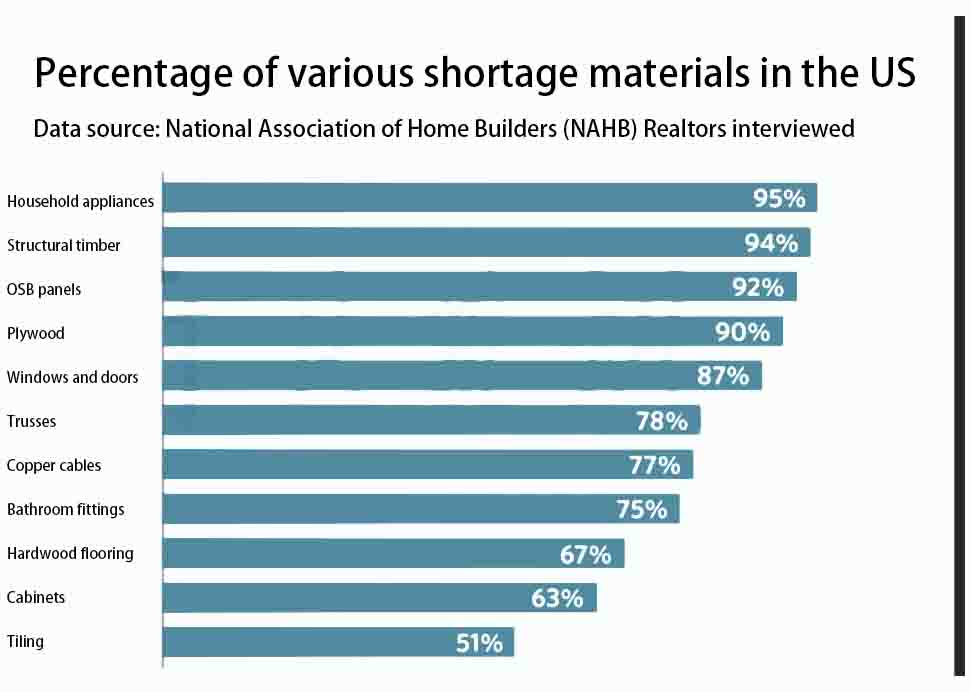
ʻOi aku ka laulā a me ka hohonu o nā hemahema waiwai ma mua o kēlā me kēia manawa 1990, a ʻo ka piʻi iki ʻana o nā kumukūʻai ua hoʻonui i kēia hopena, e hoemi ana i na mea kukulu hale’ hilinaʻi ma ka mākeke i kona pae haʻahaʻa loa i ka makahiki.
Mea lako lumi lumi, mea hoonani hale, Nā meaʻeu, ʻO nā mea kūʻai waiwai a me nā mea ʻē aʻe ke alo nei i kahi ʻino makahiki’ o ke koi piʻi ʻana, hui pu me ka hemahema waiwai, nā pilikia logistical a me nā maʻi maʻi. ʻOiai ke piʻi nei ka noi hou ʻana e like me ka piʻi ʻana o ka nui o ka lāʻau lapaʻau a hoʻoulu ʻia ka mākeke home DIY e nā ʻano ola e kū nei., ua hoʻopau ʻia nā kaulahao lako i ka hemahema nui o nā huahana kūkulu kī. I ka manawa like, ʻO nā pilikia hoʻolako ke kumu e piʻi ai ke kumukūʻai waiwai.
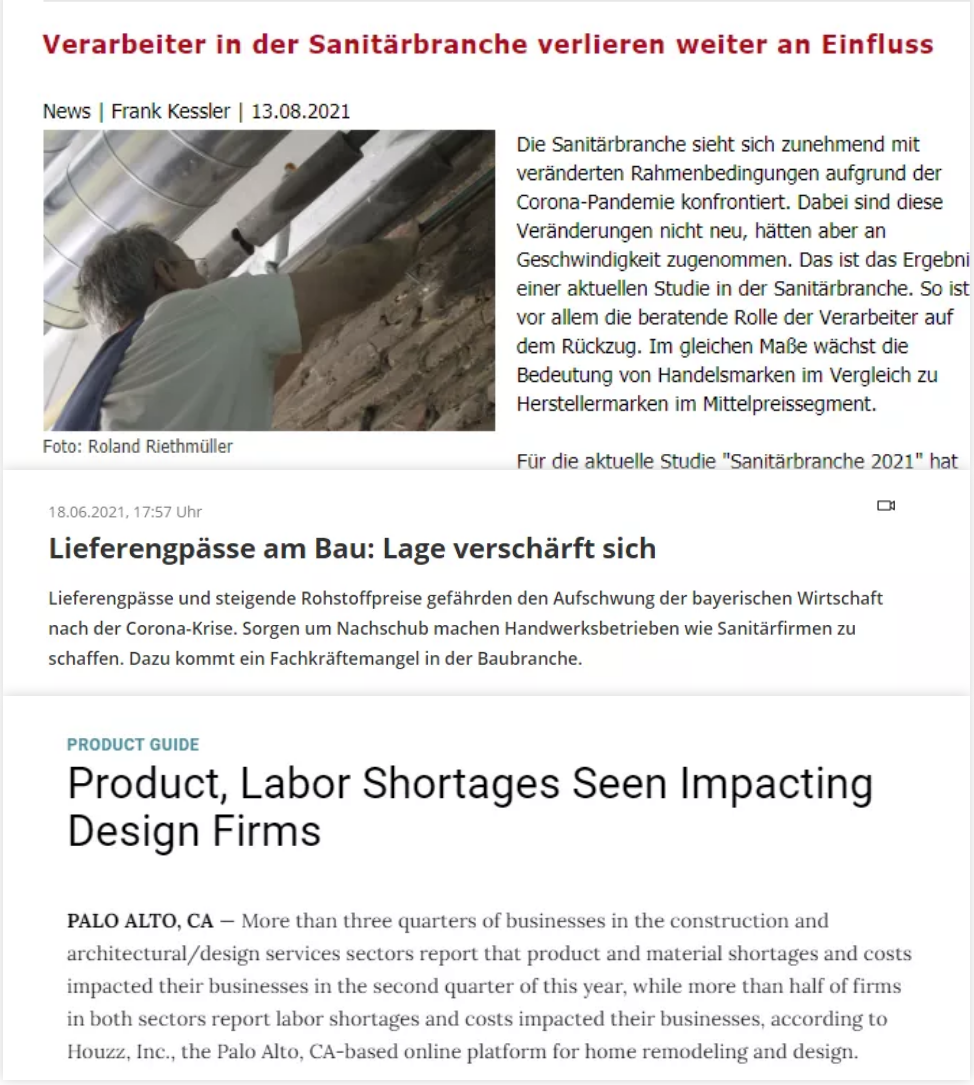
E like me ka mea hou loa Kitchen and Bath Market Index (ma keia hope aku: KBMI, ka US Kitchen and Bath Market Index) i hōʻuluʻulu ʻia e ka National Kitchen and Bath Products Association (NKBA), ʻO John Burns Kūkākūkā waiwai, ʻO nā pilikia o ke kaulahao hoʻolako i hui pū ʻia me ka piʻi ʻana o nā kumukūʻai waiwai a me nā kumukūʻai kaʻa ke koi nei i ka nui o nā ʻoihana hoʻolālā home e kū i nā manawa alakaʻi lōʻihi., ʻoiai e pono ana e ʻimi i nā kumu waiwai ʻē aʻe a hoʻonui i nā kumukūʻai no ka pale ʻana i nā palena.
Wahi a ka KBMI, ka U.S. Kukini a me Bath Market Index no ka hapaha mua o 2021, 45% ʻO nā mea kūʻai aku a me nā mea hoʻolālā i noiʻi ʻia i ʻōlelo ʻia e pili ana ka hemahema o nā waiwai a me nā kumukūʻai huahana i nā manawa alakaʻi o ka papahana. 60% ʻO nā hale hana i noiʻi ʻia i ʻike ʻia nā manawa alakaʻi maʻamau o ʻeono pule a ʻoi aku paha, he piʻi nui mai ka hapaha mua. Ke kaohi nui ʻia nei ka mana e nā manawa hoʻouna ʻoi aku ka lōʻihi no nā lako maka a me nā lohi ukana nui. I ke kumu, 67% ʻO nā mea kūʻai waiwai waiwai i nānā ʻia ua hoʻihoʻi ʻia ka hana ma mua o ʻekolu mahina, a 21% ʻike ʻia e hoʻomau ka backlog a hiki i ka hopena o 2021.
I ke kumu, Ke hoʻomaka nei nā hale hana US e hoʻohui i ka hiki a hoʻoponopono hou i kā lākou mau kaulahao lako. I Iune o kēia makahiki, ua hōʻike ʻia ua hoʻolaha ʻo DEVIDA Bathrooms e hana “hana mua” kekahi mau hōʻailona o nā huahana i ka wā e kali ana i ka hana ʻana o nā pae ʻē aʻe. Ua ʻōlelo ka hui e hoʻomau ʻia kēia kūlana a hiki i ka hapaha ʻehā o 2021, a ua ʻike ʻia ʻoiai ʻaʻole e lawe ʻia nā kauoha hou i kēia manawa, ʻaʻole e hoʻopilikia ʻia nā kauoha e kū nei i ka hoʻoholo.
Ma waho aʻe o ka US, Ke kū nei hoʻi ʻo Kelemania i kahi pilikia pilikia o ke kaulahao. Ke ʻike nei ka ʻoihana paipu a me ka hale ʻauʻau Kelemania i ka hemahema o ke kila a me ke keleawe, hoʻomaka me ka lāʻau a me ka plastic. I loko o hoʻokahi makahiki wale nō, ua piʻi aʻe ke kumu kūʻai o nā papa hoʻokaʻawale 10%. Ua piʻi aʻe ke kila 30 pākēneka a me nā lau o ka hale e 31 pākēneka. A ua piʻi aʻe ke kumukūʻai keleawe o ka honua 80 pakeneka i ka hope 12 mahina.
Ma waho aʻe o nā pilikia hāʻawi, ʻo ka hemahema o nā limahana akamai e pili pū ana i ka ʻoihana kūkulu hale. Hoʻolimalima i nā limahana akamai, komo ma Kina, ua lilo i mea paʻakikī loa i ka hoʻopaʻa ʻana i nā limahana.
E kipa i nā Nūhou hou ma Nūhou Viga.cc