 iVIGA Tap Factory Supplier

Ikhitshi yoqobo kunye neBathroom yoMzindiso ongundoqo weMedia Kitchen kunye neBathroom News
Ukuphazamiseka kwekhonkco lonikezelo kuyaqhubeka ukuba nefuthe elibi kumaxabiso ezinto eziphathekayo, ukusilela kwemveliso, iindleko zempahla kunye nemijikelo yeprojekthi yekhitshi kunye negumbi lokuhlambela, ngokutsho kweU.S. iingxelo zosasazo. Nangona imeko yangoku inokuba yeyomzuzwana, kuqikelelwa ukuba le meko iya kuqhubeka ukuya kunyaka ozayo.
Ngokophando lwakutsha nje nguMbutho weSizwe wabakhi beKhaya (NAHB), imeko iye yabambi kakhulu “ngokumangalisayo” ukusukela ngeli xesha kunyaka ophelileyo. Impembelelo ibanzi, kuquka nezixhobo zokuhlambela, izixhobo zekhaya, ithayile, Iikhabhathi, kunye namanye amacandelo aphambili okwenziwa kweefriji, ii-onti, oomatshini bokuhlamba izitya, ii-microwaves, iiwasha kunye nezomisi zinqongophele. Phakathi kweerealtors eziphandwe, ukunqongophala kwezixhobo zokuhlambela kufikelelwe 75 ipesenti. Ithayile ifikile 51 ipesenti. Eyona nto imbi kakhulu zizixhobo zasekhaya, eyafikelelayo 95 ipesenti.
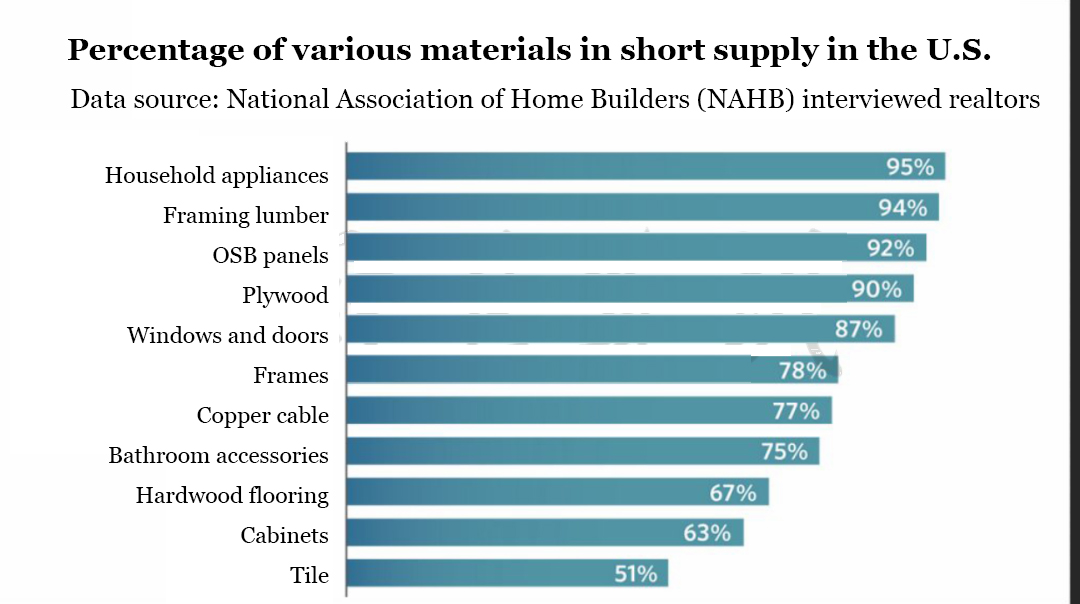
Ukunqongophala kwangoku kwemathiriyeli kunempembelelo ebanzi kwaye enzulu kunalo naliphi na ixesha ukususela ngoko 1990, kwaye ukunyuka kweendleko kuyenza ibe mandundu esi siphumo, ebangela abakhi’ ukuzithemba kwimarike ukuwela kwinqanaba layo eliphantsi ngonyaka.
Ababoneleli begumbi lokuhlambela, abahlobisi basekhaya, abasasazi, realtors kunye nabanye bajongene unyaka wonke “isaqhwithi” yokwanda kwemfuno, kunye nokunqongophala kwezinto eziphathekayo, imingeni yolungiselelo kunye nobhubhane. Ngelixa imfuno yohlengahlengiso ikhula ngokunyuka kwamazinga okugonya kunye nentengiso ye-DIY yamakhaya eveliswa yindlela yokuphila evelayo., ukuphazamiseka kwekhonkco lonikezelo kukhokelele ekunqongophelweni okukhulu kweemveliso eziphambili zokwakha. Okwangoku, Izithintelo zonikezelo zenze ukuba iindleko zemathiriyeli zinyuke.
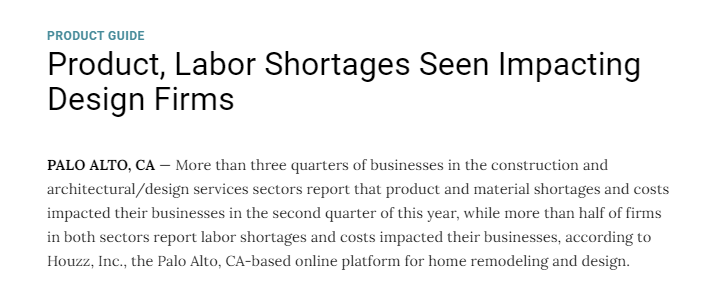
Ngokwe-Kitchen kunye ne-Bath Market Index yamva nje (emva koku: KBMI, I-U.S. Ikhitshi kunye neSalathiso seMarike yeBhafu) ihlanganiswe nguMbutho weSizwe weeMveliso zeKhitshi kunye neeBhafu (NKBA), UJohn Utshise iReal Estate Consulting, Imiba yesixokelelwano sokubonelela kunye nokunyuka kwamaxabiso ezinto eziphathekayo kunye neendleko zothutho zinyanzelisa inani elandayo leefemu zoyilo lwamakhaya ukuba zijongane namaxesha amade ngelixa kufuneka zifune enye imithombo yonikezelo kunye nokunyusa amaxabiso ukukhusela imida yenzuzo..
Ngokutsho kwe-KBMI, I-U.S. Ikhitshi kunye neSalathiso seMarike yeBhafu kwikota yokuqala ye 2021, 45 Ipesenti yabathengisi kunye nabayili abaphononongwayo bathi ukunqongophala kwezinto kunye namaxabiso emveliso kuchaphazela amaxesha okukhokela iprojekthi. 60 ipesenti yeendawo zokuvelisa eziphononongiweyo ziphawule amaxesha aphambili aphakathi kweeveki ezintandathu nangaphezulu, ukwanda okubonakalayo kwikota yangaphambili. Umthamo uthintelwa kakhulu ngamaxesha amade okukhokela imathiriyeli kunye nokulibaziseka okubalulekileyo komthwalo. Okwangoku, 67 ipesenti yabarhwebi bezindlu abaphononongwayo baqaphele ukuba iiprojekthi zisemva kweenyanga ezintathu. Kwaye 21% ye realtors baqaphele ukuba ukusilela kuya kuqhubeka kude kube sekupheleni kwe 2021.
Okwangoku, Iifektri ezise-US ziqala ukongeza umthamo kwaye zilungelelanise amakhonkco abo okubonelela. Ngokweengxelo, kweyeSilimela kulo nyaka, I-U.S. Igumbi lokuhlambela le-DEVIDA libhengeze ukuba liya kuba njalo “beka phambili” ukuveliswa kweempawu ezithile zeemveliso, ngelixa kunqunyanyiswa ukuveliswa kolunye uthotho. Inkampani ithe le meko kulindeleke ukuba iqhubeke kude kube kwikota yesine 2021. Bakwaphawule nokuba ngelixa kungekho miyalelo mitsha iya kwamkelwa ngeli xesha, imiyalelo ekhoyo ayichatshazelwa sisigqibo.
Ukongeza kwi-United States, IJamani ikwajongene nengxaki yokuphazamiseka kwekhonkco lokubonelela. Imibhobho yaseJamani yaseBavaria kunye neshishini lokuhlambela ukusuka kumthi, iplastiki, intsimbi, ubhedu nalo lube nokunqongophala. Ngonyaka nje omnye, ixabiso lebhodi yokugquma linyukile ngo 10%. Iglasi eflethi yehle ngo 15 ipesenti, intsimbi iye yaphakama 30 ipesenti, kunye neepaneli zophahla ziye zanda 31 ipesenti. Kwaye ixabiso lehlabathi lonke lobhedu linyukile 80 ekhulwini kwixesha elidlulileyo 12 iinyanga.
Ukongeza kwimiba yokuhanjiswa, ukunqongophala kwabasebenzi abanezakhono kukwachaphazela ishishini lokwakha. Ukuqesha abasebenzi abanezakhono, kuquka eTshayina, iye yaba yeyona nto inzima ekufuneni abasebenzi.