 iVIGA Ketok Panyadia Pabrik

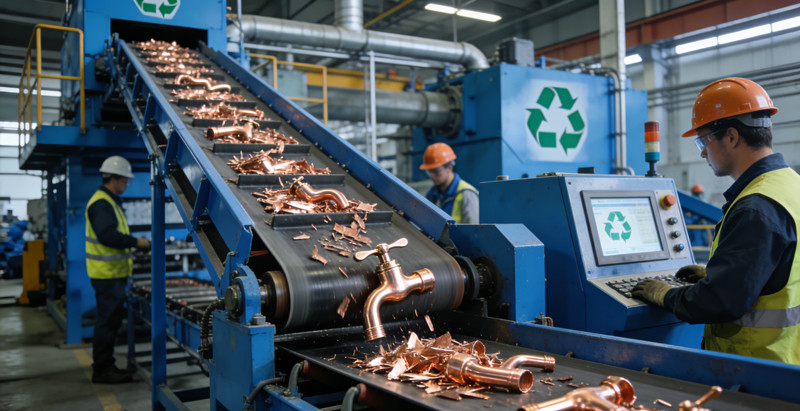
Kelestarian parantos ngalih tina perhatian khusus ka prioritas inti dina séktor manufaktur global-sareng industri keran sanés iwal.. Pikeun pembeli B2B, arsiték, pamekar, jeung distributor, bahan ramah-eco dina produksi keran geus euweuh hiji "nice-to-gaduh". Aranjeunna gancang janten sarat anu didorong ku peraturan lingkungan, ekspektasi pasar, jeung efisiensi ongkos jangka panjang.
Ti pilihan bahan baku pikeun perlakuan permukaan jeung bungkusan, Pabrikan keran mikirkeun deui kumaha produk dirancang sareng diproduksi. Tulisan ieu ngajalajah peran bahan anu ramah lingkungan dina produksi keran modern, naha maranéhna penting pikeun pembeli B2B, jeung kumaha pilihan bahan sustainable nyumbang kana kinerja, minuhan, jeung nilai brand.
Naha Bahan Ramah Lingkungan Penting dina Pabrikan Keran
Faucets mangrupikeun produk umur panjang anu dipasang di padumukan, komérsial, jeung lingkungan umum. Dampak lingkunganana ngalegaan tebih saluareun lantai pabrik. ékstraksi bahan, ngolah, palapis, umur pamakéan, sarta recyclability sadayana nyumbang kana tapak suku karbon sakabéh keran urang.
Pamaréntah sadunya ngenalkeun peraturan anu langkung ketat ngeunaan eusi kalungguhan, efisiensi cai, jeung émisi manufaktur. Dina waktos anu sasarengan, pamekar jeung nu boga proyék nu prioritizing standar wangunan héjo kayaning LEED, muhun, sareng BREEAM. Salaku hasilna, suppliers keran nu investasi di bahan ramah-eco mangtaun kaunggulan kalapa jelas di pasar B2B.
Pikeun distributor sareng pamilik merek, bahan sustainable ogé narjamahkeun kana positioning pasar kuat, persetujuan sertifikasi gampang, jeung ngaronjat kapercayaan ti klien sadar lingkungan.
Paduan Kuningan Lead-Free sareng Low-Lead
Kuningan parantos lami janten bahan dominan dina produksi keran kusabab kakuatanana, Ressi korosi, jeung machinability. Sanajan kitu, alloy kuningan tradisional ngandung tingkat luhur kalungguhan, anu ngangkat masalah kaséhatan sareng lingkungan.
Produksi keran ramah lingkungan modern ngandelkeun alloy kuningan bébas kalungguhan atawa low-lead, ilaharna ngandung kirang ti 0.25% nuju, sasuai jeung peraturan kayaning NSF / ANSI 61 jeung standar cai nginum global.
alloy canggih ieu nyadiakeun durability sarua jeung kinerja salaku kuningan tradisional bari nyata ngurangan resiko lingkungan jeung kaséhatan. Pikeun pembeli B2B supplying pasar diatur, kuningan bébas timah geus euweuh pilihan-éta sarat dasar.
Stainless Steel salaku Alternatif Sustainable
Stainless steel beuki dipaké dina desain keran eco-sadar, utamana dina komérsial, palayanan Kaséhatan, jeung aplikasi dahareun-jasa. Mangpaat lingkunganana ageung:
- Daur ulang anu luhur sareng degradasi bahan minimal
- lalawanan korosi alus teuing tanpa coatings kimiawi beurat
- Umur panjang, ngurangan frékuénsi ngagantian
Faucets stainless steel mindeng merlukeun perlakuan permukaan kirang ti kuningan plated, ngurangan pamakéan kimiawi salila produksi. Pikeun proyék-proyék fokus kana kabersihan, daya tahan, jeung kelestarian, stainless steel nawarkeun solusi ramah-eco kuat.
Permukaan Bertanggung Jawab Lingkungan
Permukaan pagawean maénkeun peran utama dina tapak suku lingkungan produksi keran. Prosés electroplating tradisional tiasa ngalibetkeun bahan kimia anu ngabahayakeun sareng konsumsi cai anu luhur. Pabrikan Eco-fokus ayeuna ngadopsi alternatif canggih.
Pvd (Déposisi awak fisik) palapis mangrupa salah sahiji téhnologi finish paling jawab lingkungan sadia. Éta ngagunakeun prosés dumasar vakum anu ngahasilkeun runtah minimal, merlukeun leuwih saeutik bahan kimia, sarta ngahasilkeun rengse ultra-awét.
Lapisan PVD manjangkeun umur produk ku ningkatkeun résistansi goresan sareng korosi. durability Ieu ngurangan siklus ngagantian, conserving bahan jeung nurunkeun jangka panjang dampak lingkungan-hiji tinimbangan penting pikeun proyék komérsial.
Komponén Nyimpen Cai sareng Efisiensi Bahan
Produksi keran ramah lingkungan henteu dugi ka bahan anu katingali. Komponén internal sapertos cartridges, aerators, jeung anjing laut ogé maénkeun peran dina kelestarian.
Kartrij keramik kualitas luhur ngirangan bocor sareng manjangkeun umur produk, ngaminimalkeun runtah tina kagagalan prématur. Aerators hemat cai, mindeng dijieun tina plastik recyclable atawa alloy logam, mantuan ngurangan konsumsi cai tanpa compromising pangalaman pamaké.
Ti sudut pandang B2B, faucets dirancang kalayan komponén internal efisien nyumbang kana tujuan kelestarian boh dina tahap manufaktur sarta pamakéan, aligning kalawan inisiatif konservasi cai global.
Bahan Daur Ulang sareng Daur Ulang
Loba pabrik keran maju-pamikiran anu incorporating logam didaur ulang kana produksi, utamana didaur kuningan sarta stainless steel. Nalika sumberna sareng diolah leres, bahan daur ulang ngajaga kinerja bari nyata nurunkeun konsumsi énergi jeung émisi dibandingkeun bahan parawan.
Sarua pentingna nyaéta daur ulang tungtung-hirup. Faucets dirancang pikeun disassembly ngamungkinkeun komponén logam bisa pulih sarta dipaké deui, ngarojong prinsip ékonomi sirkular. Pendekatan ieu beuki dihargaan ku proyék gedong héjo sareng program pengadaan sektor publik.
Plastik Sustainable sareng Bahan Alternatif
Sedengkeun logam tetep dominan, komponén keran tangtu ngandelkeun plastik rékayasa. Produksi ramah-eco museurkeun kana ngagunakeun karacunan low, bisa didaur ulang, atawa plastik dumasar-bio mana luyu.
bahan ieu ngurangan dampak lingkungan bari ngajaga kinerja di non-beban-bearing komponén. Pilihan bahan anu tanggung jawab ogé mastikeun patuh kana standar kaamanan global sareng lingkungan.
Bahan bungkusan sareng Tanggung Jawab Lingkungan
Kelestarian dina produksi keran ngalegaan saluareun produk éta sorangan. Bungkusan anu ramah lingkungan maénkeun peran penting dina ngirangan runtah dina ranté pasokan.
Pabrikan ngagentos bungkusan plastik beurat ku kardus anu tiasa didaur ulang, inserts pulp dijieun, jeung inks dumasar-kécap. Desain bungkusan kompak ogé ngirangan volume pengiriman, nurunkeun émisi transportasi-faktor penting pikeun suppliers B2B-fokus ékspor.
Kauntungan pikeun Pembeli sareng Mitra B2B
Pikeun grosir, pamekar, jeung nu boga merek, sumber faucets dijieun kalayan bahan ramah-eco nawarkeun kaunggulan jelas:
- Pamatuhan anu langkung gampang sareng sertifikasi internasional
- Daya tarik anu langkung kuat pikeun proyék gedong héjo
- Ngurangan biaya pangropéa sareng penggantian jangka panjang
- Ningkatkeun reputasi merek sareng alignment ESG
Kelestarian beuki janten faktor penentu dina prosés tender sareng perjanjian pasokan jangka panjang. Milih mitra manufaktur anu leres mastikeun ekspektasi ieu kapendak sacara konsisten.
Masa Depan Produksi Keran Ramah Lingkungan
Salaku peraturan lingkungan tighten jeung kasadaran pasar tumuwuh, bahan ramah-eco bakal jadi standar industri tinimbang differentiator a. Inovasi dina metallurgy, perlakuan permukaan, sareng komponén anu tiasa didaur ulang bakal terus ngawangun masa depan manufaktur keran.
Pabrikan anu investasi dina bahan sustainable ayeuna nuju posisi sorangan-sareng mitra B2B-na pikeun kasuksésan jangka panjang di pasar dimana tanggung jawab lingkungan teu tiasa dipisahkeun tina kualitas produk..
WeChat
Nyeken Kode QR sareng WeChat