 iVIGA Faucet Manufacturer & Factory

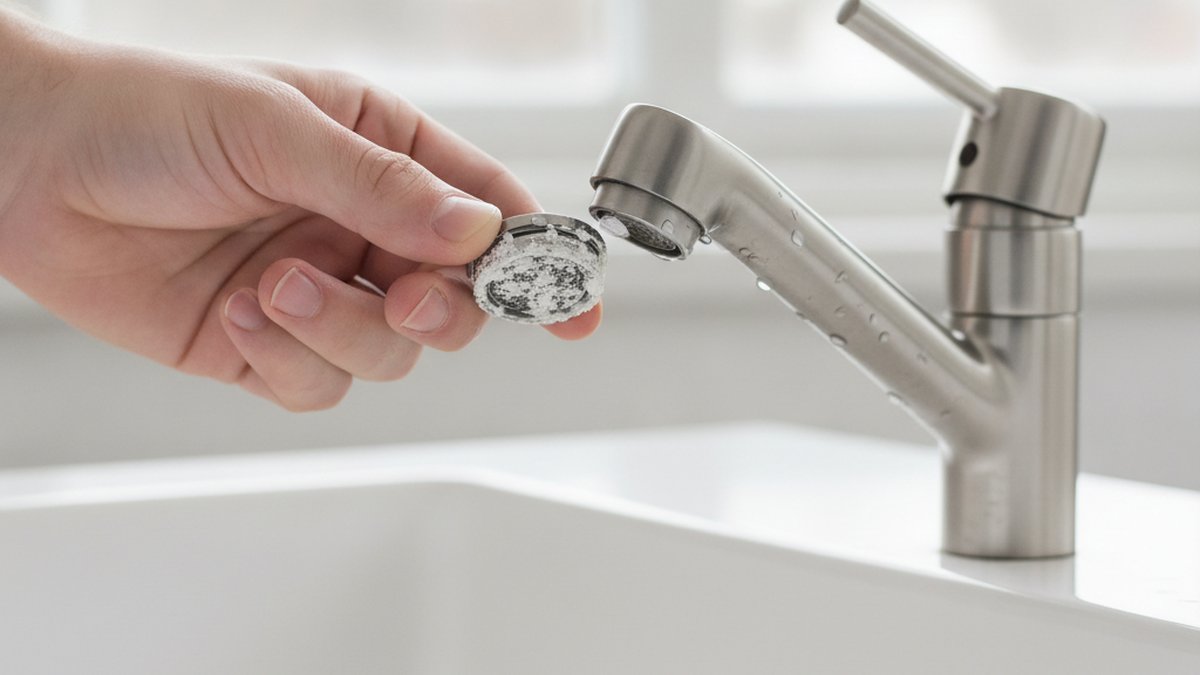
If you’ve been searching “kitchen faucet low water pressure reddit” at 11pm because your once-strong faucet now dribbles like a garden hose with a thumb over it, you’re in the right place — and the crowd on Reddit is almost always right about the first fix. The single most common answer across r/Plumbing, r/HomeImprovement, and r/DIY is the same: unscrew the aerator and clean it. It’s boring, it’s free, and it works far more often than people expect. Below, we’ll walk through that fix step by step, then work down the list of every other cause so you can diagnose your exact faucet in under 20 minutes — no plumber, no new faucet, no guessing.
We’ll cover the fast wins first (the stuff that costs $0), then the deeper causes, then when it’s genuinely time to replace the faucet instead of nursing a dying one.
Why does my kitchen faucet suddenly have low water pressure?
A sudden drop in kitchen faucet pressure is almost always a clog, not a plumbing failure. Mineral deposits (calcium and magnesium from hard water), tiny bits of pipe sediment, or a chunk of debris knocked loose after a water main repair collect at the narrowest point in the system — and on a faucet, that narrowest point is the aerator or the spray head. When flow drops on just one faucet and everything else in the house is fine, you’ve basically confirmed it: the problem is local, at the faucet itself.
Here’s the mental model that saves you hours. Water pressure at your faucet depends on three things: the pressure coming into your house (usually 40–80 psi), whether the path to the faucet is fully open, and whether the exit point is clogged. If the whole house is weak, it’s an inlet/main problem. If only the kitchen is weak, it’s a faucet problem. If only the hot side is weak, it’s a water-heater or hot-supply issue. That single distinction tells you where to point your wrench.
- Only the kitchen faucet is weak? Aerator, spray head, cartridge, or supply valve. (This is the Reddit-famous 90% case.)
- Only hot water is weak? Sediment in the water heater, a partially closed hot shutoff, or a kinked hot supply line.
- The whole house is weak? Main shutoff not fully open, a failing pressure regulator, or a municipal supply issue — not your faucet’s fault.
How do I fix low water pressure on my kitchen faucet myself? (The Reddit method)
Start with the aerator — it’s the cheapest, fastest, most successful fix, and it’s the one Reddit recommends first for a reason. The aerator is the small screw-on tip at the end of your spout that mixes air into the stream. It also acts as a filter, so it catches everything. Clean it and you fix the majority of low-pressure complaints in about five minutes.
Here’s the exact sequence experienced DIYers use:
- Test before you disassemble. Turn the faucet on full. Then unscrew the aerator by hand (righty-tighty, so lefty-loosey to remove — turn counterclockwise as you look up at it). If the water suddenly gushes strong without the aerator, you’ve found your culprit. Wrap the aerator in a cloth and use pliers if it’s stuck; the cloth protects the finish.
- Inspect and clean. Pull apart the aerator’s little screens and washers, keeping track of the order. Rinse out the grit. If you see white crusty buildup, that’s mineral scale.
- Soak in white vinegar. Drop the parts in a cup of plain white vinegar for 30–60 minutes to dissolve the scale, then scrub the screen with an old toothbrush. Rinse.
- Check the pull-down spray head too. On pull-down and pull-out faucets, the spray head has its own screen or rubber nozzle nubs. Wipe the rubber nubs with your thumb (mineral bumps rub right off) and soak the removable screen in vinegar the same way.
- Reassemble and test. Screw it back on hand-tight plus a nudge. Don’t overtighten — you’ll crack the threads or crush the washer.
If the aerator was the problem, you’re done and it cost you nothing. If pressure is still weak with the aerator off entirely, the clog is deeper — keep reading.
What if cleaning the aerator didn’t work? Checking valves, lines, and the cartridge
If the aerator is spotless and flow is still weak, check the shutoff valves under the sink next — they’re the second most common cause and take 10 seconds to rule out. Look under your sink for the two small valves on the hot and cold supply lines. Turn each one counterclockwise to make sure it’s fully open. It’s shockingly common for a valve to get bumped half-closed during cleaning, trash-can shuffling, or a previous repair. A half-open valve throttles your flow exactly like a clog.
Work down this checklist in order — each step rules out a cause:
| Cause | Telltale sign | Fix | Cost / difficulty |
|---|---|---|---|
| Clogged aerator | Strong flow with aerator removed | Clean or replace aerator | $0–$8 / very easy |
| Clogged spray head | Weak only in spray/stream mode | Soak spray head in vinegar | $0 / very easy |
| Half-closed shutoff valve | Valve not turned fully open | Open valve counterclockwise | $0 / very easy |
| Kinked/clogged supply line | Visible kink; weak on one temp | Straighten or replace line | $8–$15 / easy |
| Clogged cartridge | Weak after aerator ruled out | Clean or replace cartridge | $15–$40 / medium |
| Failing pressure regulator | Whole house weak | Plumber replaces regulator | $250–$400 / call a pro |
Supply lines: Peek at the braided hoses running from the valves up to the faucet. A sharp kink chokes flow; straighten it. If a line is old, corroded, or you’ve ever seen it weep, replace it — braided stainless supply lines are about $10 and take five minutes.
The cartridge: This is the valve inside the faucet body that opens and closes when you move the handle. Sediment and scale collect inside it over the years, and a clogging cartridge slowly strangles your flow. If you’ve cleaned everything downstream and pressure is still weak, the cartridge is the likely villain. Shut off the water, pull the handle, remove the retaining clip or nut, and lift the cartridge out. Sometimes a vinegar soak revives it; more often, replacing it (match the exact model number) restores full pressure and smooths out a stiff handle at the same time. If you’re not sure which valve type you have, our guide on ceramic disc vs. ball valve cartridges explains how to identify yours and why ceramic-disc holds up far better against sediment.
Why is only my hot water pressure low at the kitchen sink?
If cold runs strong but hot dribbles, the problem is on the hot side — usually sediment in the water heater or a partly closed hot shutoff, not the faucet. Hot water dissolves and carries more minerals, and your water heater’s tank slowly fills with sediment that can migrate into the lines. Two quick checks:
- Hot shutoff valve: Under the sink, confirm the hot-side valve is fully open. If someone recently worked on the faucet, this valve often gets left partway closed.
- Water heater sediment: If hot pressure is weak at multiple faucets, flush your water heater. Sediment buildup restricts hot flow throughout the house and shortens the heater’s life.
One more sneaky one: some faucet cartridges mix hot and cold internally, so a partially clogged cartridge can show up as “weak hot only.” If the shutoff is open and the heater is flushed but hot is still weak at just the kitchen, put the cartridge back on your suspect list.
Is low water pressure a sign I need a new kitchen faucet?
Usually no — low pressure is a cleaning or parts problem, not a death sentence for the faucet. A good brass-bodied faucet lasts 15–20 years, and pressure issues are almost always fixable with a $0–$40 repair. But there are a few honest cases where replacement makes more sense than another repair:
- The faucet body is corroded or cracked. Green crusty corrosion on the internal brass or a hairline crack means the housing is failing. No cartridge swap fixes that.
- Parts are discontinued. If you can’t source a matching cartridge for an old or off-brand faucet, you’re stuck.
- You’ve replaced the cartridge and cleaned everything, and flow is still weak. At that point the internal waterways are scaled shut, and cleaning won’t reach them.
- It’s a cheap plastic-bodied faucet. These clog fast, wear out fast, and aren’t worth repeated repairs.
If you land in “time to replace,” don’t over-buy — but don’t grab the cheapest thing either, since plastic internals are exactly what got you here. Look for a solid brass body, a ceramic-disc cartridge, and a spray head with easy-clean rubber nozzles. Our roundup of the best kitchen faucets for durable everyday use walks through what actually holds up over a decade of daily hard-water use. And when the new one arrives, you’ll want to get the old one out cleanly first — here’s how to remove an old kitchen faucet the right way without wrestling rusted nuts in the dark.
How do I stop low water pressure from coming back?
Prevent it at the source: hard water is the root cause of most recurring low pressure, so slowing mineral buildup keeps your flow strong for years. A few low-effort habits make a real difference:
- Clean the aerator every 3–6 months if you have hard water. A two-minute vinegar soak beats a full teardown every time.
- Wipe the spray-head rubber nozzles weekly. Running your thumb across them knocks off scale before it hardens.
- Consider a whole-house water softener or an under-sink filter if your water leaves white crust on everything. Softer water dramatically slows scale in the faucet, cartridge, and water heater.
- Fix drips promptly. A dripping faucet often signals a worn cartridge or seat — the same parts that later restrict flow. If you’re already in there, our guide on how to fix a kitchen faucet drip pairs perfectly with a pressure cleanup.
A quick word on realistic expectations: modern faucets sold in the U.S. are flow-limited by federal standards to a maximum of 2.2 gallons per minute (many WaterSense models run 1.5–1.8 gpm). So if you upgraded from an old, unrestricted faucet, some of the “low pressure” you feel is actually a compliant flow rate — not a fault. The stream should still be strong and steady, just not fire-hose-level.
FAQ
Why does my kitchen faucet have low pressure but everything else is fine?
Because the clog is local to that faucet. When only the kitchen is weak, the aerator or pull-down spray head is almost always plugged with mineral scale or sediment. Unscrew and clean the aerator first — it fixes this exact scenario the vast majority of the time.
Can a clogged aerator really cause that much pressure loss?
Yes. The aerator is the narrowest opening in the whole faucet and acts as a fine filter, so even a light layer of scale or a few grains of pipe sediment can cut your flow in half. That’s why the classic Reddit test — running the faucet with the aerator removed — is so useful: if it gushes without the aerator, the aerator was the problem.
How do I know if it’s the cartridge and not the aerator?
Remove the aerator and run the faucet. If flow is strong without the aerator, it’s the aerator. If flow is still weak even with the aerator off and the shutoff valves fully open, the restriction is upstream — most likely a scaled-up cartridge. A stiff or hard-to-move handle alongside the weak flow is another strong sign the cartridge is the culprit.
Why did my water pressure drop right after plumbing work?
Two reasons. First, repairs and shutoffs knock sediment loose in the pipes, which then lodges in your aerator — clean it. Second, whoever did the work may have left a shutoff valve only partly open. Check the valves under the sink and make sure both are turned fully counterclockwise.
Is it worth calling a plumber for low kitchen faucet pressure?
For a weak single faucet, no — it’s a DIY job that costs $0–$40 and 20 minutes. Call a plumber only if the whole house has low pressure (a failing pressure regulator or main-line issue), or if you’ve cleaned the aerator, spray head, and cartridge and flow is still weak, which points to a corroded faucet body or blocked internal waterways.
Will a water softener fix my low pressure permanently?
It won’t un-clog what’s already scaled up, but it prevents the problem from coming back. Softened water dramatically slows mineral buildup in the aerator, cartridge, and water heater, so after one good cleaning you’ll go far longer between maintenance. If your water leaves white crust everywhere, a softener or under-sink filter is the best long-term fix.
A note on expertise and why you can trust this guide
This guide was written by the vigacc product and engineering team, who design and pressure-test kitchen and bathroom faucets for a living. Every faucet vigacc ships is built with a solid brass body and a ceramic-disc cartridge, flow-tested to consistent GPM output, and validated against recognized plumbing standards (cUPC / NSF 61 for lead-safe drinking water) so the pressure you feel out of the box holds up for years. Our faucets are backed by a manufacturer’s warranty covering cartridge and finish defects. When your current faucet is finally past saving, we’d rather you fix it than replace it unnecessarily — but when you do upgrade, you’ll know exactly what a well-built, high-flow faucet is supposed to feel like.
Author: The vigacc Faucet Engineering Team — faucet designers, manufacturers, and hands-on testers at viga.cc.
WeChat
Scan the QR Code with WeChat