 iVIGA Faucet Manufacturer & Factory

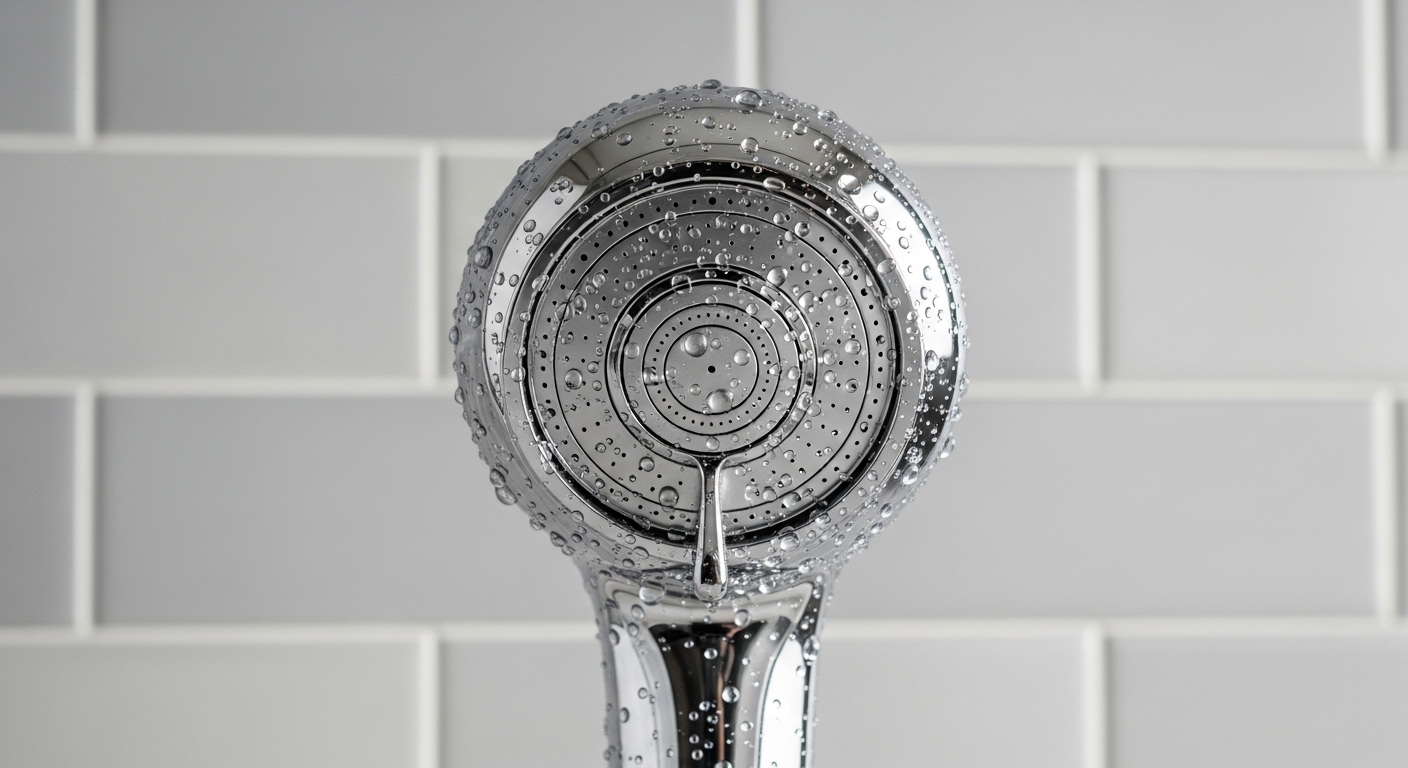
If you’ve been hunting for a handheld shower head low flow fixture that actually feels powerful, you’re not alone. American homeowners, hoteliers, and contractors are rapidly retiring 2.5 GPM showerheads in favor of WaterSense-certified, 1.8 GPM (or lower) handheld units that meet EPA standards without sacrificing the dense, massaging spray buyers expect in 2026. The catch? Not every “low flow” handheld is engineered equally — pressure-compensating valves, nozzle geometry, hose internal diameter, and bracket angle all influence whether your shower feels like a luxury spa or a sad trickle.
At vigacc, we’ve manufactured and tested handheld shower heads for North American, EU, and Middle Eastern buyers for over two decades. This guide pulls together the engineering data, comparison tables, and buying frameworks our procurement clients use when sourcing low-flow handhelds at scale — adapted here for individual homeowners, remodelers, and small property managers.
What “Handheld Shower Head Low Flow” Actually Means in 2026
The phrase “handheld shower head low flow” refers to a detachable showerhead with an integrated hose and wall bracket that restricts water output to 2.0 gallons per minute (GPM) or less at 80 psi. The U.S. federal maximum is 2.5 GPM, but EPA WaterSense certification — the de facto standard for green-building incentives — caps flow at 2.0 GPM, with most premium models tuning to 1.8 GPM. California (CALGreen), Colorado, Washington, and several northeastern states enforce a stricter 1.8 GPM ceiling, and a growing class of “ultra low flow” handhelds runs at 1.5 GPM.
Low flow does not equal low pressure. Modern handhelds use one of three pressure-recovery strategies:
- Air induction (Venturi aeration): Tiny side-ports draw ambient air into the water stream, increasing perceived volume and softening the droplet.
- Pressure-compensating cartridges: A silicone diaphragm flexes against incoming pressure, maintaining a consistent 1.8 GPM whether your home runs at 45 psi or 85 psi.
- Laminar micro-nozzles: Precision-bored 0.6 mm nozzles produce straight, non-turbulent jets that hit the skin with higher kinetic force per gallon.
Knowing which engine sits inside your handheld matters more than the chrome finish on the outside — and it’s the number-one reason cheap “low flow” fixtures from marketplace listings feel weak while vigacc and other engineered models feel firm and full.
Why Switch to a Low-Flow Handheld Shower Head?
1. Real Water and Energy Savings
The average American shower lasts 8.2 minutes. Swapping a 2.5 GPM head for a 1.8 GPM handheld saves roughly 5.7 gallons per shower — about 2,080 gallons per person per year. For a family of four, that’s the equivalent of filling a backyard swimming pool. Because hot water represents about 17% of household energy use, you’ll also see a noticeable dip on your gas or electric bill within the first quarter.
2. Rebates and Code Compliance
Utilities in over 38 states offer instant rebates ($10–$50) on WaterSense-labeled showerheads. New construction in California, Texas water-conservation districts, and most LEED-certified projects must use ≤1.8 GPM handhelds. If you’re a landlord or short-term rental operator, installing certified low-flow handhelds also helps you qualify for green-property tax credits.
3. Versatility a Fixed Showerhead Can’t Match
A handheld lets you rinse pets, bathe small children, clean tile, hose down a teak shower seat, and direct spray at sore muscles — all from a single fixture. Pair it with a 24-inch slide bar and you cover users from 4’10” to 6’6″ without re-plumbing the wall.
Spray Pattern Comparison: Which Mode Suits Your Routine?
Most quality handheld shower head low flow models ship with 3–7 spray settings. Here’s how the popular patterns perform under a 1.8 GPM restriction:
| Spray Mode | Best For | Perceived Pressure (1.8 GPM) | Coverage Diameter |
|---|---|---|---|
| Full Rain | Daily rinsing, hair | Soft, enveloping | 5.5–6.5 in |
| Power Jet / Massage | Sore muscles, post-workout | Firm, pulsing | 3.0–3.5 in |
| Mist | Kids, sensitive skin | Light, even | 7.0–8.0 in |
| Pause / Trickle | Lathering, shaving legs | Minimal | 1.0 in |
| Rain + Massage Combo | Couples sharing flow | Medium-firm | 6.0 in |
If you only use one or two modes regularly, a single-function 1.5 GPM handheld delivers stronger pressure per gallon than a 5-function model run on its narrowest setting — fewer internal channels means less hydraulic loss.
Finish and Material Choices That Hold Up to Hard Water
Finish selection isn’t only about aesthetics; in low-flow fixtures, the finish protects the precision nozzles from mineral deposits that can quickly choke a 0.6 mm opening. Our brass and stainless cores resist galvanic corrosion better than the zinc-alloy bodies common in big-box bargain bins — and if you’re weighing finish options for a wider remodel, our deep-dive on brushed nickel versus chrome faucets applies directly to handheld shower head selection too.
| Finish | Hard-Water Resistance | Fingerprint Visibility | Best Use Case |
|---|---|---|---|
| Polished Chrome | Excellent (PVD-sealed) | Medium | Family bathrooms, rentals |
| Brushed Nickel | Very Good | Low | Master baths, transitional design |
| Matte Black | Good (avoid abrasive cleaners) | Low-Medium | Modern, industrial |
| Brushed Gold / Champagne | Very Good | Low | Luxury hotels, boutique remodels |
| Oil-Rubbed Bronze | Good (living finish) | Very Low | Rustic, farmhouse |
Whatever finish you choose, look for PVD (Physical Vapor Deposition) coating rather than electroplated chrome. PVD layers are 10× more scratch-resistant and don’t chalk under daily exposure to soap film and chlorinated water.
Key Specifications to Demand Before You Click “Buy”
When you’re comparing handheld shower head low flow listings, scroll past the marketing photos and check the spec sheet for these eight data points:
- Flow rate at 80 psi: Should read 1.5, 1.75, or 1.8 GPM — not “up to 2.5.”
- WaterSense or CALGreen label: Confirms third-party flow verification.
- ASME A112.18.1 / CSA B125.1 compliance: The North American mechanical-performance standard.
- NSF/ANSI 61 certification: Verifies the wetted materials are safe for potable water.
- Hose length: 60 in (152 cm) is standard; 72 in (183 cm) helps tall users and accessible designs.
- Hose construction: Stainless-braided 304 outer, EPDM inner, brass conical nuts on both ends.
- Connection thread: Universal G1/2″ — fits virtually every U.S. shower arm.
- Warranty: Look for a minimum of 5 years on the finish and lifetime on the cartridge.
vigacc’s handheld line ships with CUPC and NSF certifications by default and includes a lifetime limited warranty on the ceramic-disc diverter — the same quality bar we apply to our kitchen faucet program. If you want a deeper look at what those certification stamps mean for plumbing fixtures, our companion article on UPC certification explains the testing protocol step-by-step.
Installation: A 15-Minute Upgrade Anyone Can Do
Tools You’ll Need
- Adjustable wrench or 10-inch slip-joint pliers
- Roll of PTFE plumber’s tape (white, not yellow gas-rated)
- Soft cloth to protect the finish
- Old toothbrush for cleaning threads
Step-by-Step Replacement
- Turn off the shower; you don’t need to shut the main valve for a head swap.
- Unscrew the existing showerhead counterclockwise. If it’s stuck, wrap the shower arm in cloth, grip with pliers, and apply steady pressure — never jerk it.
- Use the toothbrush to clean old tape and mineral deposits from the arm’s external threads.
- Wrap 4–6 turns of fresh PTFE tape clockwise around the arm threads.
- Hand-thread the wall bracket onto the shower arm, then snug with a wrench — about a quarter-turn past hand-tight.
- Attach one end of the braided hose to the bracket outlet; thread the handheld onto the other end. Confirm rubber washers are seated in both connections.
- Slowly turn the water on and check for drips. If you see one, back off the connection, re-tape, and re-tighten.
That’s it — no soldering, no shutoff, no plumber’s bill. For comparison, swapping a deck-mount bathtub spout is a far more involved project; if you’re tackling that next, our guide to choosing the perfect bathtub faucet walks through the rough-in considerations.
Common Problems and How to Solve Them
Even the best handheld shower head low flow can develop quirks over time. Here are the issues we see most in warranty claims and the field fixes that work:
- Weak spray after 12+ months: Mineral buildup in nozzles. Soak the head face-down in white vinegar for 30 minutes, then scrub with a soft toothbrush.
- Hose leaking at the head: Worn rubber washer. Replace the 1/2″ washer (sold in any hardware store) — a 10-cent fix.
- Bracket won’t hold the handheld: Internal spring fatigued. Most brands sell a $4 replacement bracket clip.
- Pulsing / surging pressure: Failing pressure-compensating diaphragm. Under warranty, contact your supplier for a free cartridge swap.
- Diverter stuck between modes: Silt in the dial. Remove the face plate (usually 4 screws), rinse, lubricate the O-ring with food-grade silicone.
For a broader troubleshooting toolkit covering the rest of your bathroom plumbing, see our top 5 bathroom faucet problems and solutions guide.
Who Should Buy a Low-Flow Handheld? (Use Cases)
Homeowners in Water-Restricted States
California, Arizona, Colorado, Nevada, Texas, and Florida residents face tiered water pricing where the second and third blocks can cost 4× the base rate. Cutting shower flow is the single fastest way to stay in tier-one pricing.
Short-Term Rental Hosts
Airbnb and Vrbo hosts report that handhelds score higher in cleanliness reviews because guests use them to rinse the tub after showering. Pair a 1.8 GPM handheld with a quality slide bar and you’ll see fewer “low water pressure” complaints than you’d expect — perceived pressure is what guests rate, and aeration boosts that perception.
Aging-in-Place and ADA Bathrooms
A 72-inch hose plus a height-adjustable slide bar lets seated and standing users share one fixture. The pause button on better handhelds enables safer transfers — water stops without losing temperature mix.
Hotel and Hospitality Procurement
If you’re sourcing at volume, you’ll want flow consistency across hundreds of units, finish uniformity batch-to-batch, and a single SKU that meets every state code. Our overview of hotel bathroom procurement dives deep into the contracts, lead times, and QC checkpoints that matter at scale.
vigacc vs. Generic Marketplace Brands: What You’re Actually Paying For
| Attribute | vigacc Low-Flow Handheld | Generic Marketplace Brand |
|---|---|---|
| Body Material | Lead-free brass core, ABS shell | Zinc alloy or pure ABS |
| Flow Engine | Pressure-compensating + aeration | Fixed orifice flow restrictor |
| Certifications | cUPC, NSF/ANSI 61, WaterSense | Often uncertified |
| Hose | 304 stainless braid, brass nuts | Aluminum braid, plastic nuts |
| Finish Process | 10-stage PVD | 3-stage electroplate |
| Warranty | 5-yr finish, lifetime cartridge | 30–90 days |
| Spray Modes | 3–7, individually tested | Marketed count varies |
| OEM/ODM Support | Yes, MOQ from 100 pcs | Limited |
Because vigacc operates its own foundry, polishing line, and assembly floor in Kaiping — China’s faucet capital — we control every step from brass billet to finished carton. That’s also why our buyers can request custom flow rates (1.5, 1.75, 1.8, or 2.0 GPM) per market, instead of relying on a one-size-fits-all SKU.
Pairing Your Handheld With the Rest of the Shower
A handheld is most powerful when it’s part of a coordinated shower system. Consider these pairings:
- Rain head + handheld combo: 1.75 GPM each, on a 3-way diverter, keeps total flow within the 2.0 GPM cap of most green-building programs while doubling spray options.
- Body sprays: Skip them on low-flow installs — they require 0.5 GPM each and quickly overshoot code.
- Thermostatic valve: Mandatory in many jurisdictions and prevents scalding when a toilet flushes mid-shower.
- Slide bar: 24-inch is standard; 30-inch suits taller users or accessible designs.
About vigacc and Our Testing Standards
vigacc (operated by Kaiping VIGA Faucet Co., Ltd.) is an ISO 9001-certified OEM/ODM manufacturer with 20+ years of export experience to North America, Europe, the Middle East, and Australia. Every handheld shower head we ship undergoes:
- 200,000-cycle pressure-pulse testing on the diverter
- 500-hour neutral-salt-spray corrosion testing on the finish
- Flow-rate verification at 20, 45, 60, and 80 psi per ASME A112.18.1
- Drop testing from 1.5 m to simulate shower-floor impact
- 100% pre-shipment leak inspection at the assembly line
Products carry cUPC, NSF/ANSI 61, CE, and WaterSense certifications where applicable, and are backed by a 5-year finish warranty and lifetime cartridge warranty for end users. Our retail and wholesale clients range from single-bathroom remodelers to 800-room hotel chains.
Author note: This guide was written by the vigacc product engineering team in collaboration with our North American sales desk. The flow-rate, certification, and installation data reflects our internal QC documentation and the U.S. EPA WaterSense specification (2023 revision). Pricing and rebate figures are general estimates — confirm with your local water utility before purchase.
FAQ
Will a low-flow handheld shower head feel weak compared to my old 2.5 GPM head?
No, provided you choose a model with pressure-compensating or air-induction technology. A well-engineered 1.8 GPM handheld feels nearly identical to a 2.5 GPM legacy head, and many users actually report stronger massage and jet modes because the smaller nozzles concentrate kinetic energy.
Can I remove the flow restrictor to increase pressure?
You can, but it’s a bad idea. Removing the restrictor voids the WaterSense certification, may violate state plumbing code, raises your water bill, and in many warranties is grounds for denial. Instead, choose a different spray mode — usually “jet” or “massage” feels stronger than “rain.”
What’s the difference between 1.5 GPM and 1.8 GPM?
1.8 GPM is the WaterSense ceiling and represents the balance most users prefer between comfort and conservation. 1.5 GPM (“ultra low flow”) saves an additional 20 gallons per week per person but feels noticeably softer unless paired with a top-tier aeration engine. We recommend 1.8 GPM for primary baths and 1.5 GPM for guest or secondary bathrooms.
How long should a low-flow handheld shower head last?
A quality brass-core, PVD-finished handheld with a ceramic-disc diverter lasts 10–15 years. Plastic-body bargain models typically need replacement at 2–3 years due to nozzle fouling and diverter wear. Soaking the spray face in white vinegar twice a year extends life significantly.
Will the handheld work with a tankless water heater?
Yes, but check your tankless unit’s minimum activation flow rate (usually 0.4–0.5 GPM). A 1.5 GPM handheld in pause mode may drop below that threshold and shut the heater off momentarily. The pause feature is meant for short intervals — for longer breaks, dial the spray pattern down rather than triggering pause.
Is a handheld harder to install than a fixed showerhead?
No — installation takes about 15 minutes and adds one extra connection (the wall bracket-to-hose). No soldering, no shut-off valve, no special tools beyond an adjustable wrench and PTFE tape. If you can change a lightbulb, you can swap a handheld.
Are matte black handhelds harder to maintain in hard-water areas?
Matte black PVD finishes are very durable, but mineral spots show more on darker surfaces. Wipe down with a soft microfiber and 50/50 white vinegar solution weekly, and avoid acidic bathroom cleaners like Lime-Away which can dull the matte texture over time.
Does vigacc offer custom finishes or private-label handhelds?
Yes. vigacc operates as both an OEM and ODM manufacturer with MOQs starting at 100 pieces for stock designs and 500 pieces for custom tooling. Lead times run 35–45 days for standard finishes and 50–60 days for custom PVD colors. Contact our sales team via www.viga.cc for samples and quotations.
WeChat
Scan the QR Code with WeChat