 iVIGA Faucet Manufacturer & Factory

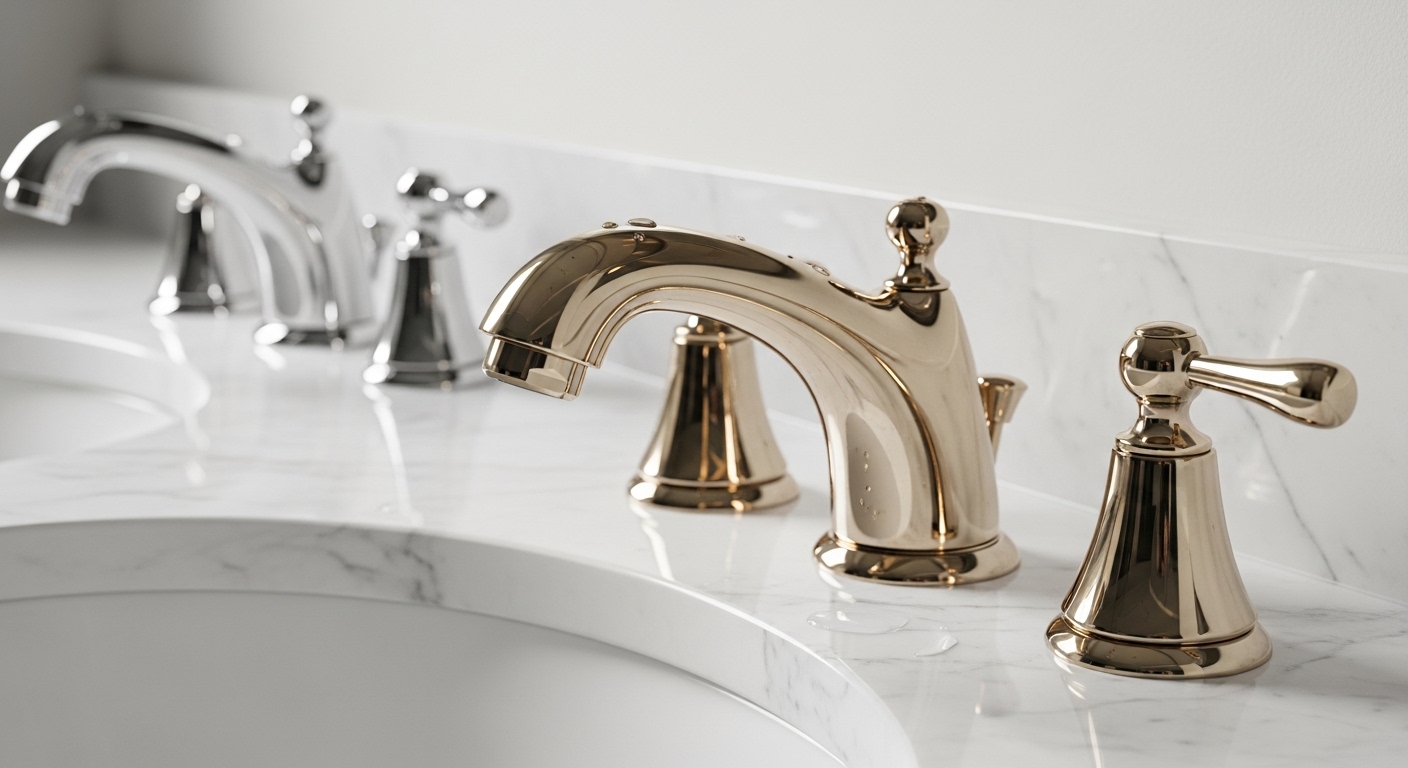
If you’re weighing the polished nickel faucets pros and cons before you spend $200–$600 on a fixture, here’s the honest version: this is one of the most beautiful finishes you can put on a sink, but it’s also one of the more demanding to keep looking showroom-perfect. It rewards people who like a warm, high-end, lightly traditional vibe and who’ll give it a quick wipe a few times a week. It frustrates people who want a “set it and forget it” finish that never shows a smudge. Below I’ll walk through exactly how it compares to chrome and brushed nickel, what it costs, how it holds up to hard water, and who should actually buy it.
What exactly is a polished nickel finish, and how is it different from chrome?
Polished nickel is real nickel electroplated over a brass body and then buffed to a high, reflective shine. The key difference from chrome: polished nickel has a warm, slightly yellow-gold undertone, while chrome reads cooler, bluer, and almost stark white-silver. Put them side by side and chrome looks crisp and modern; polished nickel looks softer, richer, and a touch more old-world.
That warmth is the whole reason people pay extra. Chrome is technically chromium plated over nickel, so chrome already has a thin nickel layer under it — but the chromium top coat is what gives chrome its hard, cool, mirror look. With polished nickel, the nickel itself is the show surface. It’s the same family of metal, finished to behave very differently. If you’ve ever stood in a showroom and felt one faucet looked “friendlier” next to a warm-toned countertop or brass cabinet pulls, that was almost certainly the nickel.
One practical note: because the nickel is the exposed layer, it’s slightly softer than chromium and can develop a faint patina over many years. Some people love that — it’s part of the “ages like a fine watch” appeal. Purists who want a finish that looks identical on day 3,000 as it did on day one should know that going in. For a deeper side-by-side on the nickel family, our guide on brushed nickel vs chrome faucets covers the cooler, lower-maintenance cousins of this finish.
What are the real pros of polished nickel faucets?
The biggest pros are looks, hard-water friendliness, and longevity. Polished nickel gives you a luxury, warm-mirror finish that flatters almost every palette, hides limescale better than chrome, and — because it’s a solid plated metal over brass — lasts for decades when it’s made well.
- Warm, flattering shine. The golden undertone pairs beautifully with marble, cream, beige, warm wood, brass accents, and traditional or transitional bathrooms. It doesn’t fight warm lighting the way cool chrome can.
- Hides water spots and limescale better than chrome. Because the surface is warm rather than icy-bright, dried mineral deposits and faint spotting are less glaring. They’re still there — but they don’t scream at you across the room the way they do on chrome.
- Timeless, not trendy. Polished nickel has been used in high-end and heritage homes for over a century. It won’t look dated in five years the way some matte-black or trendy finishes might.
- Durable base metal. Quality polished nickel is plated over solid brass, which resists corrosion and handles daily use well. (More on why brass matters in our explainer on why crucial plumbing components are made of brass.)
- Ages gracefully. If it ever does develop a faint patina, it tends to look intentional and refined rather than damaged — unlike a cheap finish that peels or flakes.
What are the cons — and is the maintenance really that bad?
The main cons are price, fingerprints, and upkeep. Polished nickel usually costs 15–40% more than the same faucet in chrome, it shows fingerprints and water droplets readily because it’s a mirror surface, and it needs a gentle wipe-down a few times a week to look its best. The maintenance isn’t hard — but it isn’t optional if you’re a perfectionist.
Here’s the realistic daily picture. In a low-traffic powder room, polished nickel basically looks perfect all the time and you’ll dust it occasionally. In a busy family bathroom or a kitchen with kids and constant hand-washing, you’ll see smudges and droplet marks by the end of the day. A quick pass with a soft, damp microfiber cloth (then a dry buff) makes them vanish in seconds — but you do have to actually do it.
Two more cautions worth stating plainly:
- No abrasives, ever. Scouring pads, gritty cleansers, and harsh acidic descalers can dull or scratch the polished surface. Stick to mild soap and water, then dry. This is the single most common way people accidentally ruin a beautiful nickel finish.
- Cost on a budget build. If you’re outfitting a whole house, the per-faucet premium adds up fast. Many people splurge on polished nickel for the “hero” fixtures (main bath, kitchen) and use a cheaper finish elsewhere.
If you’re already dealing with mineral buildup or drips, our roundup of the top 5 bathroom faucet problems and solutions pairs well with this finish, since hard water is the #1 enemy of any shiny faucet.
Polished nickel vs chrome vs brushed nickel: which finish should I actually pick?
Pick polished nickel for a warm, luxury, traditional look you’ll maintain; chrome for a budget-friendly, modern, low-fuss shine; and brushed nickel for the most forgiving, fingerprint-resistant everyday finish. Here’s how the three stack up on the things that actually matter when you’re buying.
| Factor | Polished Nickel | Chrome | Brushed Nickel |
|---|---|---|---|
| Look / undertone | Warm, golden, mirror shine | Cool, bright, blue-silver mirror | Warm, soft satin (matte) |
| Best style match | Traditional, transitional, luxury | Modern, contemporary, budget | Transitional, casual, family |
| Hides water spots | Better than chrome | Worst — shows everything | Best — very forgiving |
| Fingerprints | Shows readily | Shows readily | Hides well |
| Typical price level | $$$ (premium) | $ (lowest) | $$ (mid) |
| Maintenance effort | Medium-high (wipe often) | Medium (spots show) | Low |
| Longevity look | Ages to soft patina | Stays identical for years | Stays consistent |
The short decision rule: if your home leans warm and traditional and you genuinely enjoy a tidy, sparkling sink, polished nickel is the most rewarding choice. If you want the same warm tone with almost zero upkeep, go brushed nickel. If budget is the deciding factor and you like a cooler modern look, chrome wins.
Does polished nickel work in a kitchen, or just the bathroom?
It works in both, but the kitchen demands more commitment. A polished nickel kitchen faucet looks stunning over a farmhouse or marble setup, but kitchen faucets get touched constantly with greasy, wet hands, so you’ll see more smudging than on a bathroom fixture. If you cook a lot and won’t wipe daily, brushed nickel or stainless tones are the more practical kitchen pick.
That said, polished nickel earns its place as a kitchen statement piece — especially on a bridge faucet or a tall gooseneck where the warm reflection becomes a focal point. If you love the warm-metal kitchen look but want a more forgiving everyday surface, compare it against our best oil rubbed bronze kitchen faucet picks, which deliver warmth with far less spot-showing. For bathrooms, polished nickel is genuinely easy to live with in anything but the highest-traffic shared bath.
How do I keep a polished nickel faucet looking new?
Wipe it with a soft, damp microfiber cloth, then buff it dry — that’s 90% of the job. Doing this a few times a week prevents water spots from etching in. For a deeper clean, use mild dish soap and warm water, rinse, and dry. Never use vinegar, lime descalers, scouring powders, or abrasive pads, which can permanently dull the shine. If you have very hard water, drying the faucet after the last use of the day makes the single biggest difference.
How much do polished nickel faucets cost, and are they worth the premium?
Expect to pay roughly $150–$350 for a solid bathroom faucet in polished nickel and $300–$700+ for a quality kitchen faucet — generally 15–40% more than the same model in chrome. They’re worth the premium if the warm look and timeless appeal matter to you and you’ll maintain them; if you mainly want durability, the finish premium alone won’t buy you a better-working valve.
Here’s the nuance most buyers miss: the finish is cosmetic. What determines whether a faucet lasts 20 years is the brass body, the ceramic disc cartridge inside, and the quality of the plating adhesion — not whether it’s nickel or chrome on the outside. So the smart move is to buy polished nickel only on a faucet that’s already well-built underneath. A premium finish on a hollow zinc body is a bad deal at any price. Look for solid brass construction, a ceramic disc cartridge rated for 500,000+ cycles, and a real warranty before you fall in love with the shine.
Will polished nickel tarnish or turn yellow over time?
Quality polished nickel won’t “turn yellow” — that warm tone is the finish itself, not tarnish. Over many years it may develop a very subtle patina, especially in spots that aren’t wiped, but it won’t corrode, flake, or rust like a cheap finish. Keeping it clean and dry essentially freezes it in its as-new state indefinitely.
A quick word on quality and standards (E-E-A-T)
Author note: This guide was written by the vigacc product team, drawing on years of manufacturing and finishing faucets for both retail and hospitality clients. We’ve plated, tested, and shipped tens of thousands of fixtures across chrome, brushed nickel, polished nickel, and bronze finishes, so the trade-offs above come from real production and field experience — not a spec sheet.
Brand credibility: vigacc (viga.cc) is a faucet and bathroom fixture manufacturer specializing in solid-brass construction and durable, certified finishes for kitchens, baths, and commercial projects. Our polished nickel fixtures are built on solid brass bodies with ceramic disc cartridges and undergo salt-spray corrosion testing and adhesion checks to verify the plating holds up. Look for finishes and valves backed by recognized certifications (such as cUPC/NSF compliance) and a manufacturer warranty — typically 5 years or more on the finish and cartridge for a reputable fixture. A warranty that explicitly covers “finish defects” is your best signal that a brand stands behind its plating.
Who should buy polished nickel — and who shouldn’t?
Buy it if you want a warm, luxurious, timeless finish, your home leans traditional or transitional, and you’ll wipe the fixture down a few times a week. Skip it if you have very hard water and zero patience for cleaning, you’re furnishing a high-traffic shared or rental bathroom, or you’re on a tight whole-house budget. In those cases brushed nickel gives you nearly the same warmth with a fraction of the upkeep.
- Perfect for: primary bathrooms, powder rooms, statement kitchens, heritage and luxury remodels, anyone who loves a sparkling sink.
- Think twice if: you have kids who’ll never wipe a faucet, extremely hard water, a rental property, or a strict budget across many fixtures.
- Smart compromise: use polished nickel on the one or two fixtures people see most, and a lower-maintenance finish everywhere else.
One more buying tip: match your faucet finish to your drain, supply lines, and accessories. Mixed warm-and-cool metals can look unintentional. And make sure the faucet style fits your sink’s hole configuration — if you’re unsure whether you need a single-hole, centerset, or spread layout, our breakdown of 4-inch centerset vs 8-inch widespread faucets will save you a return trip.
FAQ
Is polished nickel high maintenance compared to other finishes?
It’s medium-to-high maintenance. It shows fingerprints and water spots like chrome does, so it needs a quick microfiber wipe a few times a week to stay flawless. It’s noticeably more upkeep than brushed nickel but the cleaning itself is fast and easy — just never use abrasive cleaners.
Does polished nickel show water spots more than chrome?
No — polished nickel actually hides hard-water spots slightly better than chrome because its warm undertone makes dried mineral deposits less visible. Both are mirror finishes that show fingerprints, but on chrome the spotting looks more stark and obvious. Brushed nickel hides spots best of the three.
Is polished nickel the same as chrome?
No. Chrome is chromium plated over nickel and looks cool, bright, and blue-silver. Polished nickel is the nickel layer itself, buffed to a shine, and looks warmer with a soft golden undertone. They’re related metals but read very differently in a room, especially under warm lighting.
Will a polished nickel faucet match brushed nickel fixtures?
It can, but be intentional. Polished (shiny) and brushed (satin) nickel share the same warm undertone, so mixing a polished faucet with brushed accessories often looks coordinated rather than mismatched. The key is keeping the undertone consistent — don’t mix warm nickel with cool chrome in the same space.
Are polished nickel faucets worth the extra money in 2026?
Yes, if the warm, timeless look matters to you and you’ll maintain it. You’re paying a 15–40% premium over chrome purely for aesthetics, since the finish doesn’t affect how the valve works. Make sure the faucet has a solid brass body, ceramic disc cartridge, and a real warranty so the premium finish sits on a fixture that actually lasts.
WeChat
Scan the QR Code with WeChat