 iVIGA Faucet Manufacturer & Factory

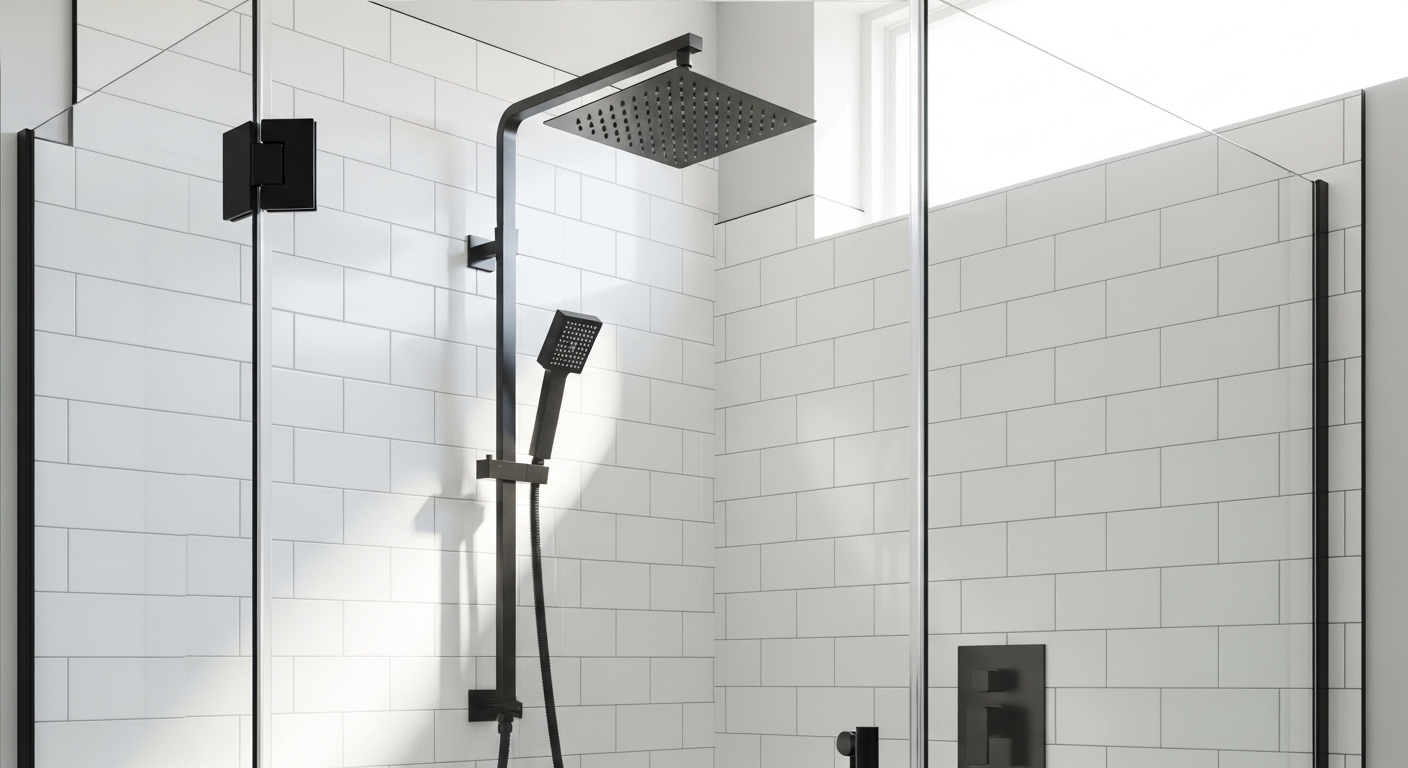
A shower faucet and head combo is a matched set that includes the shower valve (the part hidden in the wall that mixes hot and cold), the trim (the visible handle and escutcheon plate), and one or more shower heads — sold together so everything fits and matches out of the box. Buying the pieces as a coordinated kit instead of hunting for parts separately is the single biggest thing that keeps a shower upgrade from turning into a plumbing headache, and it’s why “combo” sets have become the default choice for both DIY remodelers and contractors.
Below, I’ll answer the real questions people ask before they buy: what type of valve you actually need, whether a rain-plus-handheld setup is worth it, how much you should spend, which finish holds up, and how to install one without re-tiling the wall. I’ve specified and pressure-tested these systems for years, so this is the practical version — not a spec sheet.
What exactly comes in a shower faucet and head combo?
A complete combo includes four core parts: the mixing valve, the trim kit, the shower head(s), and the connecting hardware (shower arm, drop elbow, or slide bar). Cheaper “combos” sometimes skip the valve and only give you the visible trim and head — which is fine if your in-wall valve is newer and the same brand, but a trap if it isn’t.
Here’s what each piece does, in plain terms:
- Valve (rough-in): The brass body buried in the wall. This is the part that controls temperature and pressure safety. It’s the piece you never want to buy twice, because replacing it means opening the wall.
- Trim: The handle, lever, and cover plate you see and touch. Trim and valve must be compatible — usually same brand and valve family.
- Shower head(s): Fixed rain head, standard wall head, handheld sprayer, or a combination.
- Hardware: Shower arm and flange for a fixed head, or a slide bar and hose for a handheld.
When a set is sold as a true combo, the manufacturer has already confirmed the valve, trim, and heads share the same flow rating and thread size (standard is 1/2-inch NPT). That’s the whole appeal: no mismatched finishes, no surprise adapters, no leaking threads.
Should I get a rain head, a handheld, or both in one shower combo?
Get both — a combo with a fixed rain head plus a detachable handheld is the most versatile setup, and for a household with kids, pets, or anyone who cleans their own shower, it’s the one people regret not buying. The rain head gives you the drenching, spa-like overhead flow; the handheld gives you control for rinsing hair, washing a dog, or spraying down the walls after a shower.
The trade-off is a diverter — a small valve (either built into the trim or the head) that switches water between the two outlets. On most 2.5 GPM systems you run one head at a time to keep full pressure. If you want both blasting simultaneously, you need a higher-flow valve rated for it, which not every wall’s plumbing can supply.
If you specifically want a gentler, water-saving handheld, it’s worth reading our dedicated guide on picking a low-flow handheld shower head before you commit to a combo — the spray-plate design matters more than the flow number for how strong it actually feels.
What type of shower valve do I actually need — and why does it matter?
For almost every home, you want a pressure-balanced valve; for a premium or multi-head shower, step up to a thermostatic valve. The valve type is the most important — and most overlooked — decision in the whole combo, because it’s a safety and comfort feature, not just plumbing.
Here’s the difference in real terms:
| Valve type | What it does | Best for | Typical price range |
|---|---|---|---|
| Pressure-balanced | Keeps water temperature steady when someone flushes a toilet or runs the sink; prevents scald spikes | Most single-head and standard combos | $40–$120 (valve only) |
| Thermostatic | Holds an exact set temperature and lets you control flow volume separately; can run multiple heads | Rain + handheld + body sprays, luxury showers | $120–$300 (valve only) |
| Manual/mixing (2-handle) | Separate hot and cold handles, no anti-scald protection | Vintage looks, budget replacements | $25–$70 (valve only) |
Modern code in the U.S. effectively requires anti-scald protection on new shower valves, which is why pressure-balanced is the practical baseline. Look for a valve certified to ASME A112.18.1 / CSA B125.1 and listed to ASSE 1016 for anti-scald performance — reputable combos will state this on the box. If you care about certification broadly, our explainer on what UPC certification means before you buy applies to shower valves too.
How much should I spend on a shower faucet and head combo?
Plan on $150–$350 for a quality complete combo that will last a decade or more; below $80 you’re usually getting thin plating and a plastic valve, and above $500 you’re paying for designer branding and thermostatic multi-head systems. The sweet spot for most bathrooms sits right in the middle.
Here’s roughly what each tier buys you:
- $50–$100: Basic single fixed head, plastic or zinc trim, pressure-balanced valve sometimes not included. Fine for a rental or a garage bathroom.
- $150–$350: Solid brass valve, real metal trim, dual-function (rain + handheld), durable PVD or brushed finish. This is where most homeowners should shop.
- $400–$800+: Thermostatic valve, multiple outlets, body sprays, premium finishes, longer or lifetime warranties.
One honest tip: don’t over-index on the shower head and under-spend on the valve. A gorgeous rain head bolted to a cheap valve still gives you temperature swings every time the dishwasher runs. Put your money in the wall.
Which finish holds up best — brushed nickel, matte black, or chrome?
Brushed nickel is the most forgiving everyday finish, matte black looks the most modern but shows hard-water spots and soap film, and polished chrome is the cheapest and easiest to clean but shows every fingerprint and water droplet. All three work; the right one depends on your water and how much wiping you’re willing to do.
A few things I tell people who are agonizing over finish:
- Brushed nickel hides water spots and fingerprints better than anything else, which makes it ideal for hard-water areas. It’s the safe, warm-toned default.
- Matte black is on-trend and pairs beautifully with modern tile, but in hard water it develops chalky white spots fast unless you wipe it down. Budget for regular cleaning.
- Polished chrome is durable, affordable, and matches almost anything — but it’s a fingerprint and droplet magnet.
If you’re deciding between the two most popular options, our head-to-head on brushed nickel vs. chrome finishes breaks down durability and cleaning in detail, and the same logic carries over to shower trim. Warm-metal fans should also skim our take on polished nickel pros and cons.
Whatever finish you choose, look for a PVD (physical vapor deposition) coating rather than simple electroplating — PVD is far more scratch- and corrosion-resistant and is what separates a finish that stays bright for years from one that wears through at the handle.
Can I install a shower faucet and head combo myself?
You can install the shower head, arm, and trim yourself in under an hour with basic tools — but swapping the in-wall valve is a bigger job that usually means opening the wall, soldering or press-fitting supply lines, and possibly a permit. If your combo reuses your existing valve, it’s a genuine DIY afternoon; if it includes a new valve, weigh calling a plumber.
Here’s the realistic breakdown of a trim-and-head install:
- Shut off water to the shower (or the whole house if there’s no local shut-off).
- Remove the old trim and handle — usually a set screw and a cover plate.
- Wrap the shower arm threads with PTFE plumber’s tape and hand-tighten the new arm into the drop elbow, then snug with a wrench.
- Attach the rain head or diverter, then the handheld hose and slide bar per the template.
- Install the new trim plate and handle onto the existing valve stem.
- Turn the water back on and check every joint for drips at full pressure.
The one wall-related surprise people hit is a shower arm or tub spout pipe that’s the wrong length after they swap fixtures. If you run into that, our guide on fixing a tub spout pipe that’s too short without re-plumbing the wall covers the extension nipples and fixes that also apply to shower arms.
And once it’s installed, keep it looking new: mineral buildup in the spray nozzles is the number-one reason a great shower head starts spraying sideways. A periodic soak using a proper hard-water cleaner for stubborn lime buildup keeps the flow even and protects the finish.
What size and rough-in do I need so the combo actually fits?
Match the new valve to your existing rough-in depth and pipe size — standard U.S. shower supply is 1/2-inch, and most valves fit a rough-in wall depth of roughly 1.75 to 2.5 inches. If you’re only replacing trim and heads (not the valve), you must buy trim that’s compatible with your existing valve brand and family, or nothing will seat correctly.
Before you order, note three things: your supply pipe size (almost always 1/2-inch NPT), your existing valve brand if you’re keeping it, and your ceiling height if you want a ceiling-mount rain head. A 8–10 inch rain head needs enough clearance above your head to actually rain down rather than dribble. For most people a wall-mount arm with an adjustable rain head is the easier, more flexible choice.
Quick buyer’s checklist before you click “add to cart”
- ✅ Is the valve included, or trim-only? (Confirm compatibility if trim-only.)
- ✅ Pressure-balanced or thermostatic valve, certified to ASSE 1016 / ASME A112.18.1?
- ✅ Flow rate that suits you — 2.5 GPM for full force, 1.8 GPM for water savings?
- ✅ Dual-function (rain + handheld) with a built-in diverter?
- ✅ Solid brass construction with a PVD finish?
- ✅ Finish that matches your water hardness and cleaning habits?
- ✅ A warranty of at least 5 years — ideally lifetime on the finish and function?
FAQ
Do the shower head and faucet handle have to be the same brand?
The handle (trim) and the in-wall valve should be the same brand and valve family, because they’re engineered to fit together. The shower head itself is more flexible — any standard 1/2-inch NPT head threads onto any standard shower arm, so you can mix a different head onto a matched valve-and-trim set as long as the finish coordinates.
What’s the difference between 1.8 GPM and 2.5 GPM shower heads?
GPM (gallons per minute) is the flow rate. 2.5 GPM is the U.S. federal maximum and feels like full, forceful pressure; 1.8 GPM (and WaterSense-labeled heads) use about 28% less water and lower your bills. A well-designed 1.8 GPM head can feel nearly as strong as 2.5 GPM because it uses air injection and tighter nozzles, but in low-pressure homes many people prefer 2.5 GPM.
Will a rain shower head have weak pressure?
It can if your home has low water pressure, because the water spreads across a wide face instead of concentrating in a few jets. To avoid a weak drizzle, choose a rain head rated for your pressure, keep it 2.5 GPM if you have soft pressure, and pick a combo with a handheld so you always have a concentrated-spray backup.
Can I replace just the shower head without touching the valve?
Yes. Unscrewing the old head and threading on a new one takes five minutes and no wall work — just add fresh PTFE tape to the shower arm threads. You only need to touch the valve if you want new temperature controls, anti-scald protection, or a thermostatic upgrade.
How long should a good shower faucet and head combo last?
A quality brass-bodied combo with a PVD finish should last 10–15 years or more, with the valve cartridge being the part most likely to need a cheap, tool-free replacement somewhere along the way. Look for a brand offering a lifetime warranty on the finish and function plus readily available replacement cartridges — that’s the real sign of longevity.
Is a handheld shower head better than a fixed one for cleaning?
For cleaning the shower itself, bathing kids or pets, and rinsing hair, a handheld is far more practical because you can direct the spray anywhere. That’s exactly why a rain-plus-handheld combo is the most popular configuration — you get the overhead luxury and the everyday utility in one set.
Author’s note: This guide was written by the product team at vigacc, drawing on hands-on testing and flow-rate measurement of shower valves and heads across finishes and pressure conditions. VIGA is a Kaiping-based faucet and bathroom-fixture manufacturer producing UPC- and cUPC-certified plumbing products for global markets, and every combo we recommend is evaluated against ASME/ASSE valve standards and backed by a manufacturer warranty. Always confirm your local plumbing code and rough-in before purchasing.
WeChat
Scan the QR Code with WeChat