 iVIGA Faucet Manufacturer & Factory

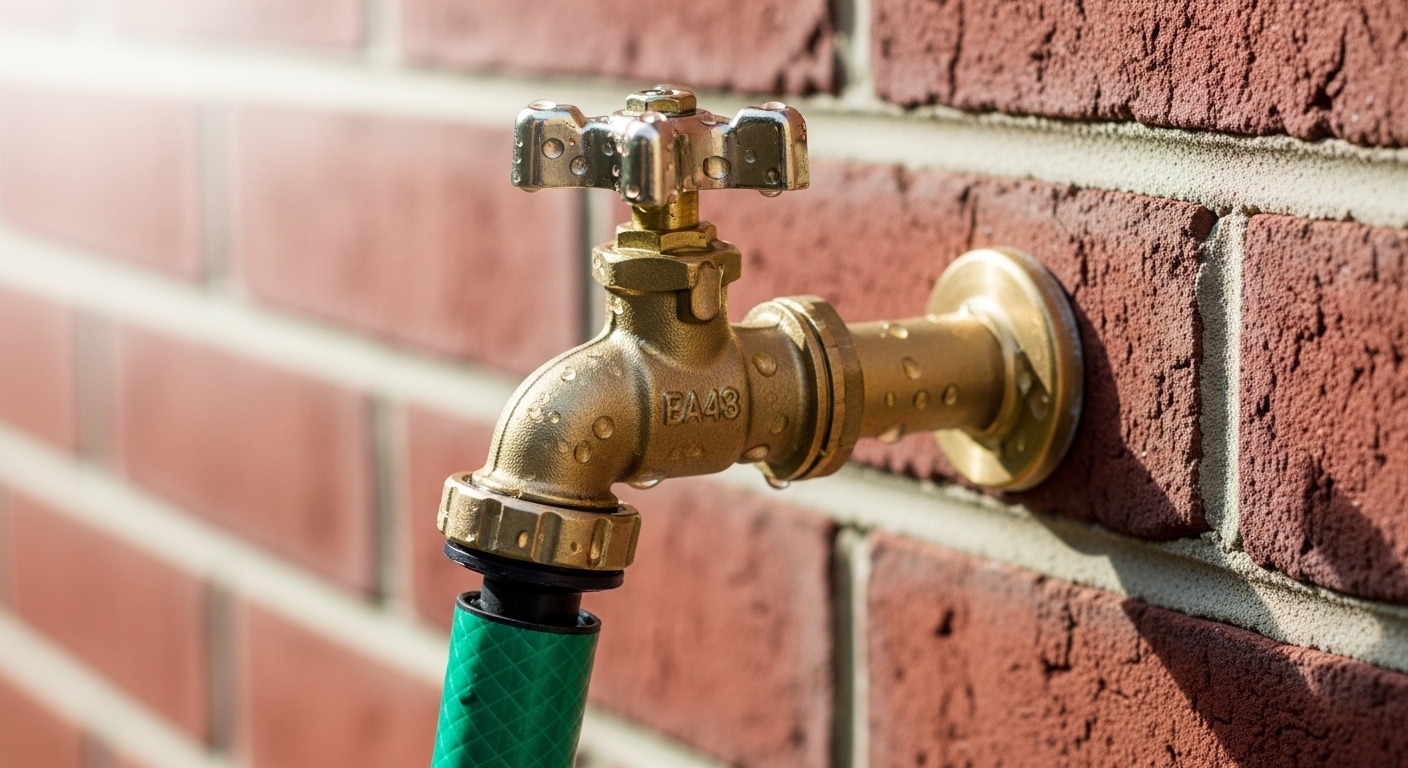
If you’ve been hunting for a garden hose valve nearby because your outdoor spigot drips, won’t shut off, or snapped over the winter, the good news is this is one of the easiest plumbing parts to source locally — and one of the cheapest to get wrong if you don’t know your thread size and valve type. This guide walks you through exactly what to look for, what the numbers on the package mean, and how to choose between the three valve styles you’ll actually see on the shelf.
At VIGA, we’ve manufactured brass faucets, hose bibbs, and valves for the global plumbing trade for over 20 years, so we’ll skip the fluff and give you the same answers we give wholesale buyers who order these by the pallet.
Where can I buy a garden hose valve near me today?
You can buy a garden hose valve today at almost any hardware store, home-improvement big-box, or plumbing-supply counter — most stock hose bibbs, ball valves, and shut-off valves in the plumbing aisle for under $20. If you need it in the next hour, a local hardware store or big-box retailer is your best bet; if you need a specific finish, flow rating, or certified brass body, a dedicated plumbing-supply house carries the better-quality stock.
Here’s the practical order of where to look, fastest to most specialized:
- Big-box home-improvement stores — widest in-stock selection of standard hose bibbs and ball valves, with curbside pickup. Best for “I need it right now.”
- Neighborhood hardware stores — smaller selection but staff who’ll actually tell you which adapter you need. Best for advice.
- Plumbing-supply houses — trade-grade brass, lead-free certified bodies, and frost-proof sillcocks. Best for quality and longevity.
- Online with local pickup — search the exact spec, reserve it, and confirm the thread size from the product page before you leave home.
One tip that saves a second trip: search the part by its real name. “Garden hose valve” is what people say out loud, but the product label usually reads hose bibb, sillcock, spigot, or boiler drain. Searching any of those nearby will surface far more results than the casual phrase alone.
What is a garden hose valve actually called, and which type do I need?
A “garden hose valve” is a catch-all term for any shut-off valve that ends in a male garden-hose thread (GHT) so you can screw a hose onto it. The three you’ll actually choose between are the hose bibb (sillcock), the frost-proof sillcock, and the inline hose ball valve / Y-splitter valve. Which one you need depends on whether you’re replacing a wall spigot, protecting against freezing, or just adding shut-off control to an existing hose line.
Quick decision rule: replacing the spigot coming out of your house wall in a cold climate? Buy a frost-proof sillcock. Replacing one in a warm climate, or adding a tap to a basement/utility line? A standard hose bibb is fine. Just want to turn water on and off at the hose without walking back to the wall? Grab a brass inline hose ball valve.
How is a garden hose valve different from a regular faucet valve?
The core difference is the outlet thread and the pressure rating. A garden hose valve terminates in 3/4″ GHT (garden hose thread), which is a coarser, shallower thread than the NPT (national pipe thread) used inside your home’s plumbing — that’s why a hose screws on by hand but pipe fittings need a wrench and tape. Outdoor valves are also built to handle full incoming line pressure (typically 40–80 psi) and, in cold regions, to drain or resist freezing. If you want a deeper primer on how threaded connections and nuts mate up, our guide to bathroom faucet nuts and which one you actually need explains the thread logic that applies here too.
What thread size and specs do I need before I buy?
Before buying, you need three numbers: the inlet thread (how the valve connects to your pipe — usually 1/2″ or 3/4″ NPT, or a sweat/solder fitting for copper), the outlet thread (3/4″ GHT for the hose — this is standardized across the U.S.), and the body material (lead-free brass is the gold standard). Get the inlet wrong and the valve won’t thread onto your pipe; the outlet is almost always the same, so the inlet is what to confirm.
Here’s a simple way to measure at home: the male garden-hose end your hose screws onto is 3/4″ GHT — count on that. For the inlet, look at the existing valve or pipe. A 1/2″ NPT pipe measures about 0.84″ across the outside of the threads; a 3/4″ NPT measures about 1.05″. When in doubt, take the old valve to the store and match it on the shelf.
| Spec | What to look for | Why it matters |
|---|---|---|
| Outlet thread | 3/4″ GHT (male) | Standard for all U.S. garden hoses — your hose will fit |
| Inlet thread | 1/2″ or 3/4″ NPT (or copper sweat) | Must match your house pipe or valve won’t connect |
| Body material | Lead-free brass (≤0.25% lead) | Durability + meets drinking-water safety codes |
| Valve mechanism | Quarter-turn ball or multi-turn compression | Ball = fast on/off; compression = fine flow control |
| Frost protection | Frost-proof length 4″–12″ | Stops burst pipes in freezing climates |
| Pressure rating | ≥125 psi (WOG) | Handles surge and standard residential pressure |
Hose bibb vs. frost-proof sillcock vs. ball valve: which is best for my situation?
For most warm-climate homes a standard brass hose bibb is best; for any home that sees freezing winters, a frost-proof sillcock is the right call; and for adding quick shut-off to a hose run, garden bed, or pressure washer, an inline ball valve wins. The “best” choice is entirely about freeze risk and where the valve sits in your water line — not price.
| Valve type | Best for | Typical price | Watch out for |
|---|---|---|---|
| Standard hose bibb | Warm climates, utility/basement taps | $8–$18 | Can freeze and burst in winter |
| Frost-proof sillcock | Cold climates, exterior walls | $20–$45 | Must slope slightly down to drain; disconnect hose in winter |
| Inline hose ball valve | Adding shut-off at the hose end | $6–$15 | Cheaper plastic versions crack — buy brass |
| Y-valve splitter | Running two hoses off one spigot | $12–$25 | Doubles potential leak points |
If you’re choosing between a fast quarter-turn ball mechanism and a traditional multi-turn handle, the logic mirrors the trade-offs we cover in low arc vs. high arc faucets — convenience and flow style versus fine control. Ball valves snap fully open or closed in a quarter turn (great for getting water moving fast); compression handles let you dial in a trickle for delicate watering.
How do I install a garden hose valve myself?
You can replace a threaded garden hose valve in about 20–30 minutes with a wrench and plumber’s tape — no soldering required if your existing valve is threaded. The key steps are shutting off the water, unthreading the old valve, wrapping the new valve’s male threads with PTFE tape, and threading it on snug without overtightening. If your old valve is soldered to copper pipe, that’s a job for a torch (or a pro).
- Shut off the water to that line at the interior shut-off valve, then open the spigot to drain residual pressure.
- Remove the old valve with two wrenches — one to hold the pipe steady, one to turn the valve counter-clockwise.
- Clean the pipe threads and wrap 3–4 turns of PTFE (plumber’s) tape clockwise around the male NPT inlet.
- Thread the new valve on hand-tight, then snug it 1–2 turns with a wrench until the outlet points down or where you want it. Don’t crank it — brass can crack.
- Turn the water back on slowly and check for drips at the joint. A weeping joint means one more quarter-turn or a fresh wrap of tape.
For a frost-proof sillcock specifically, make sure the valve body slopes very slightly downward toward the outside so water drains out and can’t sit and freeze inside the wall. And every fall, disconnect the hose — leaving a hose attached traps water in the valve and defeats the frost protection entirely.
Is a cheap garden hose valve worth it, or should I spend more?
For a valve you’ll use for years on an exterior wall, spend the extra $10–$15 on a lead-free brass body with a certified pressure rating — the cheap zinc-alloy and plastic versions are the ones that crack, seize, or drip within a season or two. For a throwaway inline splitter you’ll move around the yard, a budget brass ball valve is perfectly fine.
The biggest hidden cost isn’t the valve — it’s water damage. A frost-proof sillcock that fails behind your siding can flood a wall cavity. That’s why certification matters: look for valves whose bodies meet the same low-lead and pressure standards as indoor fixtures. We explain why that paperwork is more than a sticker in our breakdown of kitchen faucet UPC certification and why it matters before you buy — the same logic applies to any valve carrying potable water. If you’re outfitting a workshop, garage, or utility space and want a more capable tap than a bare spigot, our guide to the best wall-mount utility faucet with sprayer covers heavier-duty options.
FAQ
What’s the difference between a hose bibb and a spigot?
Nothing meaningful — they’re regional names for the same thing. “Spigot,” “hose bibb,” “sillcock,” and “outdoor faucet” all describe the threaded outdoor valve your garden hose screws onto. “Sillcock” usually implies the longer frost-proof version that passes through the house wall. When shopping nearby, search all of these terms because different retailers shelve them under different labels.
Can I screw any garden hose onto any garden hose valve?
Yes, in the U.S. virtually all garden hoses and hose valves use the standardized 3/4″ GHT (garden hose thread), so any standard hose threads onto any standard outdoor valve. The compatibility problem is only on the inlet side, where the valve connects to your home’s pipe — that thread (NPT) comes in 1/2″ and 3/4″ and must match your existing plumbing.
How do I stop my garden hose valve from dripping?
Most drips come from a worn rubber washer or packing nut, not a failed valve. For a compression-style bibb, shut off the water, unscrew the bonnet, and replace the small washer at the stem tip — a $2 fix. If the valve still drips after a new washer, or it’s a quarter-turn ball valve, the internal seat is likely worn and replacing the whole valve is faster and more reliable.
Do I need a frost-proof valve if I live somewhere it rarely freezes?
No — if your area only dips below freezing a handful of nights a year, a standard brass hose bibb plus an inexpensive insulated faucet cover is enough. Frost-proof sillcocks earn their higher price in climates with sustained sub-freezing winters, where water left in a standard valve will freeze, expand, and burst the pipe inside your wall.
How much should I expect to pay for a good garden hose valve?
Plan on $8–$18 for a quality lead-free brass standard hose bibb, $20–$45 for a frost-proof sillcock, and $6–$15 for a brass inline ball valve. Anything cheaper is usually plastic or low-grade zinc alloy that won’t last more than a season or two on an exterior wall, so the few extra dollars for brass is the better long-term value.
Can I install a garden hose valve without a plumber?
If your existing valve is threaded (screws onto the pipe), yes — it’s a 20–30 minute DIY job needing only two wrenches and plumber’s tape. You only need a pro if the valve is soldered to copper pipe, if you’re adding a brand-new line, or if the connection is buried inside a finished wall where you can’t reach the pipe safely.
Author note: This guide was written by the VIGA product team, drawing on two decades of manufacturing brass faucets, hose bibbs, and valves for residential and commercial plumbing markets worldwide. Our valve bodies are produced from lead-free brass, pressure-tested in batches, and built to meet international potable-water and durability standards. As always, confirm your local plumbing code and, for anything beyond a simple threaded swap, consult a licensed plumber.
WeChat
Scan the QR Code with WeChat