 iVIGA Faucet Manufacturer & Factory

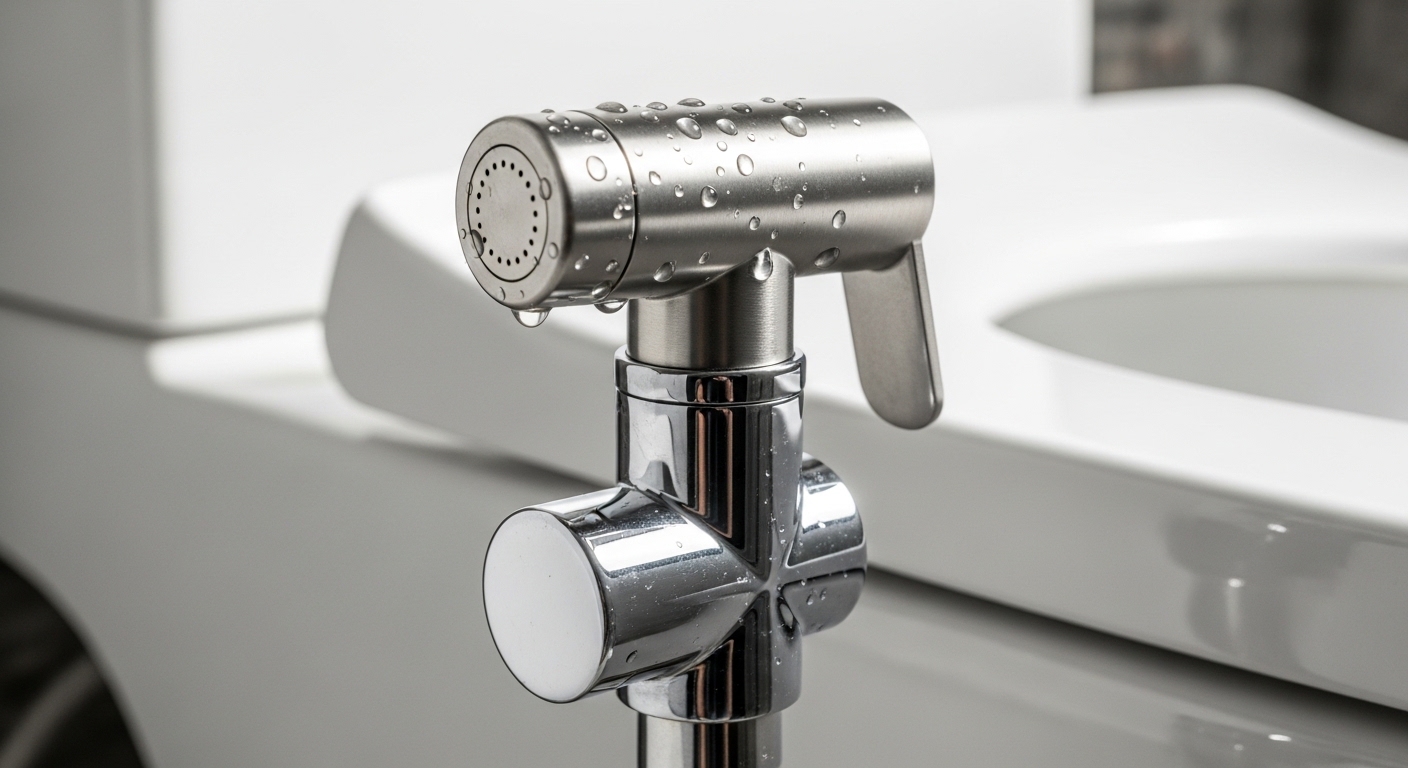
If you’ve been shopping for a faucet bidet nozzle and feeling lost in a sea of “sprayers,” “attachments,” and “smart seats,” here’s the plain-English version: a faucet bidet nozzle is the actual spray head — the part that shoots the stream of water — whether it hangs off a handheld hose next to your toilet or sits under the seat of a bidet attachment. Getting the nozzle right matters more than almost any other part, because it controls the water pressure, the spray angle, and how easy the whole thing is to keep clean. Below, I’ll walk you through the types, what to look for, real prices, and how to install one without calling a plumber.
What exactly is a faucet bidet nozzle — and how is it different from a bidet seat?
A faucet bidet nozzle is the spray-emitting head that directs a controlled jet of water for cleaning; it is one component, not the whole toilet system. People use “bidet nozzle” loosely to mean three different things, so let’s untangle them. The nozzle can come as a handheld sprayer (looks like a mini kitchen sprayer on a flexible hose), as part of a non-electric bidet attachment that clips under your existing toilet seat, or as the retractable arm inside an electric bidet seat.
The word “faucet” gets attached because these sprayers tap into the same cold-water supply line that feeds your toilet or sink faucet, and many of them use faucet-grade brass valves and ceramic cartridges. If you already understand how a standard tap works, you already understand 80% of a bidet nozzle. The difference from a full bidet seat is scope: a seat is a whole product with a heated seat, dryer, and remote; a nozzle-style sprayer is just water, pressure, and a well-designed spray head — far cheaper and far simpler to live with.
- Handheld bidet sprayer: A trigger-operated nozzle on a 4-foot hose, mounted to the wall or hooked to the tank. You aim it yourself. Best control, most versatile (also great for cleaning the toilet or rinsing a cloth diaper).
- Attachment nozzle: A slim bar with one or two fixed nozzles that slides between your toilet bowl and seat. A dial controls pressure. Self-positioning — you just sit and turn the knob.
- Electric seat nozzle: A retractable, self-cleaning nozzle with adjustable positions, warm water, and oscillation. The premium route, usually $250 and up.
Is a faucet bidet nozzle worth it, or is it just a gimmick?
For the vast majority of households, it’s worth it — this is one of the highest-satisfaction, lowest-cost bathroom upgrades you can make. A $30 handheld sprayer pays for itself in toilet paper within a year for a family of four, and the hygiene upgrade is genuinely noticeable, especially for anyone dealing with post-surgery recovery, hemorrhoids, pregnancy, or limited mobility.
Here’s the honest cost-benefit math. The average American household spends roughly $120–$180 a year on toilet paper. A bidet nozzle cuts paper use by 60–75% (you use a small amount just to pat dry), so you’re looking at $80–$130 in annual savings against a one-time $25–$120 spend. The environmental angle is real too — less paper, less packaging, less plumbing clog risk. The only people I’d steer away are renters who can’t touch the plumbing at all, and even then, most attachments are 100% reversible.
Which type of bidet nozzle is best for my situation and budget?
Pick by how much control and comfort you want: handheld for maximum control on a tight budget, an attachment for hands-free simplicity under $60, and an electric seat if you want warm water and self-cleaning. The table below breaks down the real-world trade-offs so you can match a nozzle to your bathroom and your wallet.
| Type | Typical Price | Water Temp | Install Time | Best For |
|---|---|---|---|---|
| Handheld sprayer nozzle | $25–$45 | Cold only (or warm if teed off a sink) | 15–20 min | Budget buyers, renters, hands-on control, cloth-diaper families |
| Non-electric attachment (single nozzle) | $35–$60 | Cold only | 20 min | Hands-free simplicity, warm climates, first-time bidet users |
| Non-electric attachment (dual nozzle, warm-water line) | $60–$120 | Warm (mixes hot supply) | 30 min | Cold climates, couples wanting front + rear wash |
| Electric bidet seat nozzle | $250–$700 | Adjustable warm | 30–45 min + outlet | Comfort seekers, elderly or mobility-limited users, cold regions |
Notice the “warm water” column — it’s the single biggest comfort factor. A cold-only nozzle is fine in Florida in July but a shock in Minnesota in January. If you live somewhere cold and don’t want to run electricity, look for a dual-temperature attachment that tees into your sink’s hot line. If you want to understand how the incoming water quality affects any fixture you install, our guide on whether a faucet water filter head is worth it explains what’s actually in your supply line.
How do I install a faucet bidet nozzle myself without a plumber?
You can install most bidet nozzles in about 20 minutes with no tools beyond an adjustable wrench — turn off the water, tee into the toilet supply line, and connect the nozzle hose. It’s genuinely a beginner-level job. Here’s the step-by-step for the two most common setups.
- Shut off the water. Turn the toilet’s supply valve clockwise until it stops, then flush to empty the tank.
- Disconnect the tank hose. Unscrew the flexible line where it meets the bottom of the toilet tank. Keep a towel handy — a little water will drip.
- Install the T-valve. Thread the included brass or metal T-adapter onto the tank inlet, then reconnect the tank hose to the top of the T. The side outlet feeds your nozzle.
- Connect the nozzle hose. Attach the sprayer or attachment hose to the T-valve’s side outlet. Hand-tighten, then give it a quarter-turn with a wrench — don’t overtighten or you’ll crush the rubber washer.
- Mount and test. Clip the handheld holder to the wall or tank, turn the water back on slowly, and check every joint for drips. Squeeze the nozzle to confirm spray and pressure.
Two pro tips. First, make sure a rubber washer sits inside every threaded connection — that’s what actually seals it, not the metal. Second, if a joint weeps after tightening, wrap the threads with a few turns of plumber’s (PTFE) tape and reseat it. If you’re pairing this with any faucet work and get stuck on connectors, our explainer on bathroom faucet nuts and which one you actually need covers the fittings and washer sizes that trip most people up.
Why does my bidet nozzle spray weakly or clog — and how do I fix it?
Weak spray and clogging almost always come down to two culprits: low supply pressure or hard-water mineral buildup inside the nozzle tip. Both are easy to diagnose and fix without replacing the unit. Start by ruling out the simple stuff before you blame the nozzle itself.
If the spray is weak from day one, check that the supply valve is fully open and that no kink sits in the hose — a handheld hose folded behind the tank chokes flow instantly. If the spray used to be strong and has faded, you’re almost certainly dealing with limescale. Hard water leaves chalky mineral deposits that partially block the tiny nozzle holes, splaying the stream or cutting pressure. Unscrew the nozzle tip (most handheld heads pop off) and soak it in white vinegar for 30–60 minutes, then scrub the holes with an old toothbrush. For stubborn crust, our breakdown of the best hard water cleaner for a faucet with stubborn lime buildup works identically on bidet nozzles — same minerals, same chemistry.
To prevent clogs long-term: choose a nozzle with a self-cleaning or silicone-nub tip (you wipe the mineral off before it sets), and if your whole house runs hard, treat the water at the source. A nozzle is only as clean as the water flowing through it.
What features actually matter when buying a bidet nozzle?
The features that matter most are nozzle material, valve type, pressure control, and hose length — not marketing buzzwords. Focus your money there and you’ll get a fixture that lasts a decade instead of leaking in a year.
- Nozzle and valve material: Look for solid brass valve bodies and a ceramic-disc cartridge, the same components that make a quality faucet last. Avoid all-plastic internals — they crack and drip.
- Pressure control: A smooth dial or a progressive trigger beats a two-setting on/off. Gentle-to-strong range matters for comfort, especially for sensitive users.
- Hose length and material: A braided stainless-steel hose (4 ft) resists kinks and bursts far better than PVC. It’s the part most likely to fail on cheap kits.
- Finish: Chrome and brushed nickel resist water spots and match most bathroom hardware. A matching finish makes the add-on look intentional, not tacked-on.
- Anti-drip / retraction: Handheld nozzles should fully stop when released — a dribbling nozzle means a worn cartridge.
One more thing worth checking before you buy: certification. In North America, look for products that meet cUPC/UPC plumbing standards, which verify the valve is lead-safe and pressure-rated. We wrote a full primer on what kitchen faucet UPC certification means and why it matters — the same standard applies to any water-supply fixture, bidet nozzles included.
Can I get warm water from a faucet bidet nozzle without electricity?
Yes — a dual-temperature (non-electric) bidet attachment lets you run warm water by teeing into both the cold toilet line and the hot line under your sink, with an internal mixing valve you control by dial. No outlet, no heater, no electricity required. It’s the sweet spot for cold-climate buyers who don’t want the cost or install hassle of an electric seat.
The catch is plumbing reach: your sink’s hot supply needs to be close enough to run a hose to the toilet, usually within a few feet. If your sink sits right beside the toilet, this is a clean 30-minute job. If it’s across the room, an electric seat that heats its own water on demand becomes the more practical choice. For pure summer use or warm climates, honestly, cold water is refreshing and most people adapt within a week.
Author’s note & why trust this guide
This guide was written by the VIGA product team, drawing on our engineers who design and pressure-test faucet and bidet fixtures every day. vigacc (VIGA) is a Kaiping-based manufacturer with over 20 years in the faucet and bathroom-fixture industry, supplying brass-bodied, ceramic-cartridge fixtures to distributors and homeowners worldwide. Every water-supply product we ship is pressure-tested and built to cUPC/UPC standards, and our valves carry a multi-year warranty against leaks and cartridge failure. We don’t just write about nozzles — we cast, machine, and torture-test the valves inside them, which is why this advice focuses on the materials and standards that actually determine whether a bidet nozzle lasts.
FAQ
Do faucet bidet nozzles clean themselves?
Handheld and basic attachment nozzles do not self-clean — you rinse and occasionally soak them in vinegar to remove mineral buildup. Only electric bidet seats have a true self-cleaning cycle that rinses the retractable nozzle before and after each use. That said, because the nozzle sprays clean supply water and retracts away from the bowl, they stay far more sanitary than most people assume.
Will a bidet nozzle work with my existing toilet?
Almost certainly yes. Handheld sprayers and non-electric attachments fit virtually all standard one-piece and two-piece toilets because they tap the universal 7/8-inch tank inlet and use a standard supply-line connection. The main exceptions are some skirted or French-curve designer toilets where the seat clearance is tight — check the attachment’s width spec against your bowl if you have one of those.
How much water pressure does a bidet nozzle need?
Bidet nozzles work well on standard household pressure of 40–60 psi, the same range your toilet and faucets already run on. If your home has notably low pressure, choose a handheld sprayer with a trigger you squeeze fully rather than a dial attachment, since direct trigger control concentrates whatever pressure you have into a stronger stream.
Is a handheld sprayer or an attachment more hygienic?
Both are hygienic when maintained, but they clean differently. An attachment’s nozzle is fixed and sprays only clean water, so it’s very consistent and hands-free. A handheld gives you precise aim and doubles for cleaning the toilet or a cloth diaper, but you touch the sprayer, so keep the handle wiped down. For a shared family bathroom, many people prefer the hands-free attachment.
Can hard water ruin a bidet nozzle?
Hard water won’t ruin the valve quickly, but mineral scale will clog the tiny spray holes over months and weaken the stream. A monthly vinegar soak of the nozzle tip prevents it entirely. If your home runs very hard, a quality nozzle with a wipeable silicone tip plus periodic descaling will keep it spraying like new for years.
Do I need a plumber to install one?
No. A non-electric bidet nozzle installs in about 20 minutes with just an adjustable wrench and no soldering or wall access — you simply tee into the existing toilet supply line. Only electric bidet seats that need a nearby GFCI outlet might warrant an electrician if you don’t already have a receptacle behind the toilet.
WeChat
Scan the QR Code with WeChat